
Small Ceramic Ball Mill (600×1200 / 900×1800 / 1200×2400) Compact, Iron-Free Batch Grinding for Ceramic Body, Glaze & High-Purity Minerals Reliable small ceramic ball mills for medium-scale production, pilot lines, and specialty grinding. Our 600×1200, 900×1800, and 1200×2400 batch ball mills are fully lined with high-alumina ceramic bricks and charged with alumina or flint pebble media, ensuring zero iron contamination and maximum whiteness preservation. Ideal for ceramic body slip, glaze preparation, feldspar, quartz, and high-purity mineral grinding — trusted by tableware, tile, and industrial mineral producers worldwide.
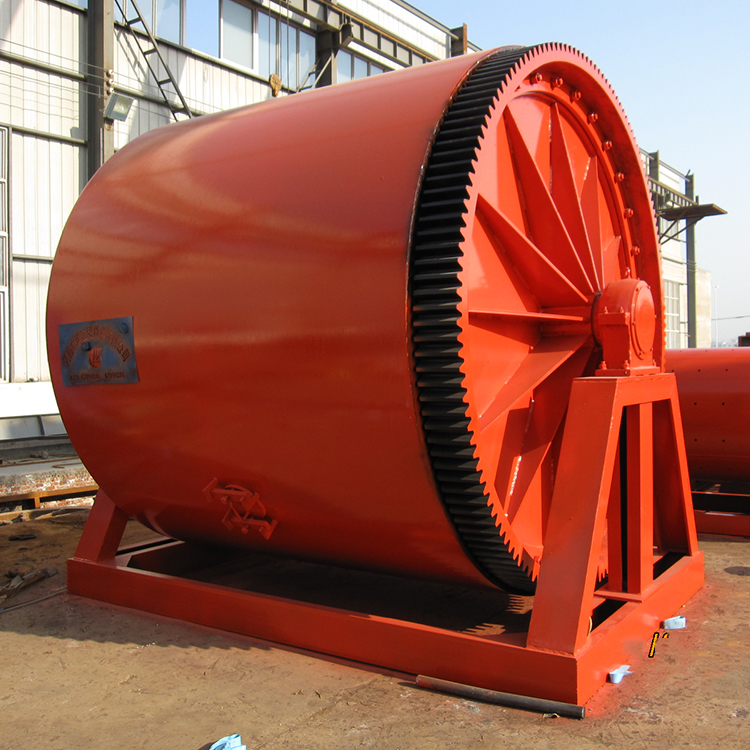
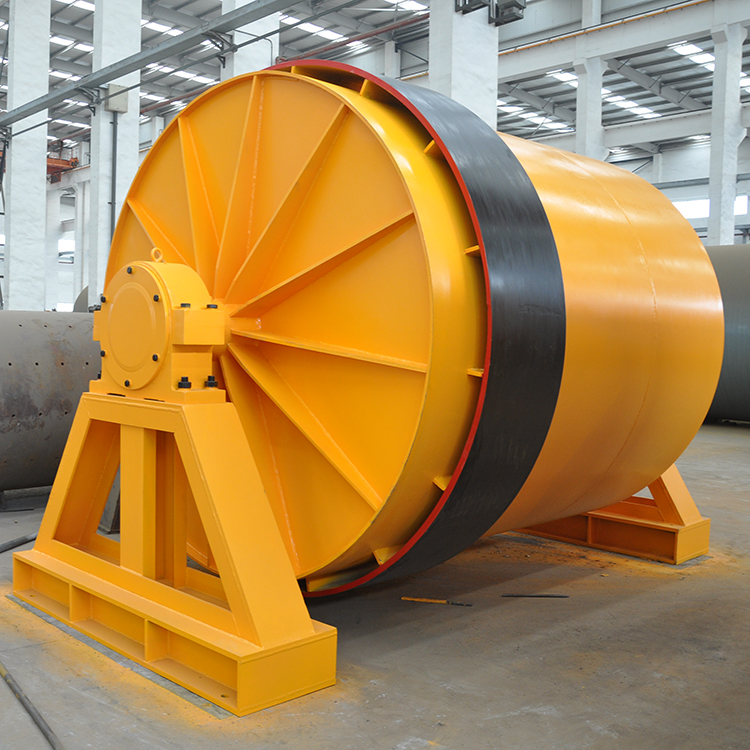
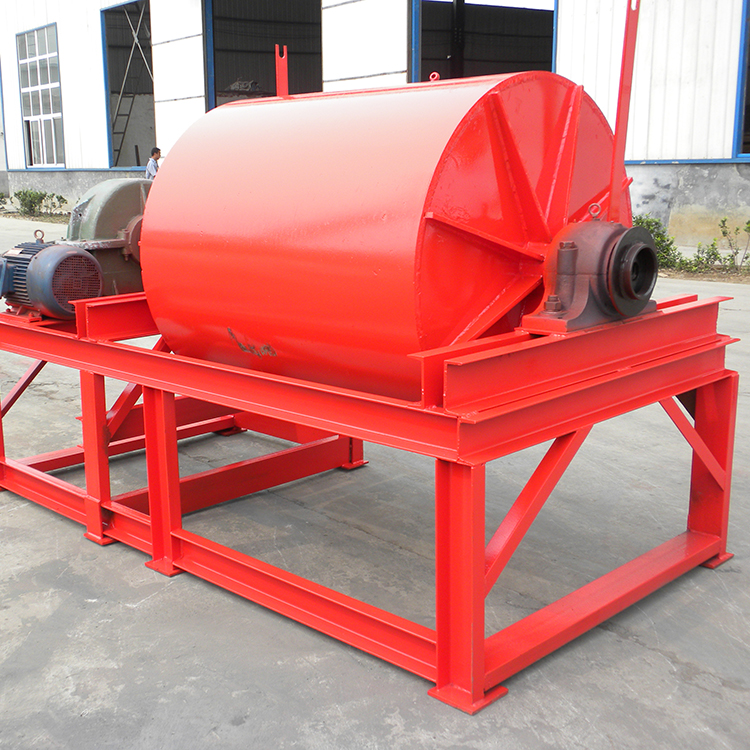
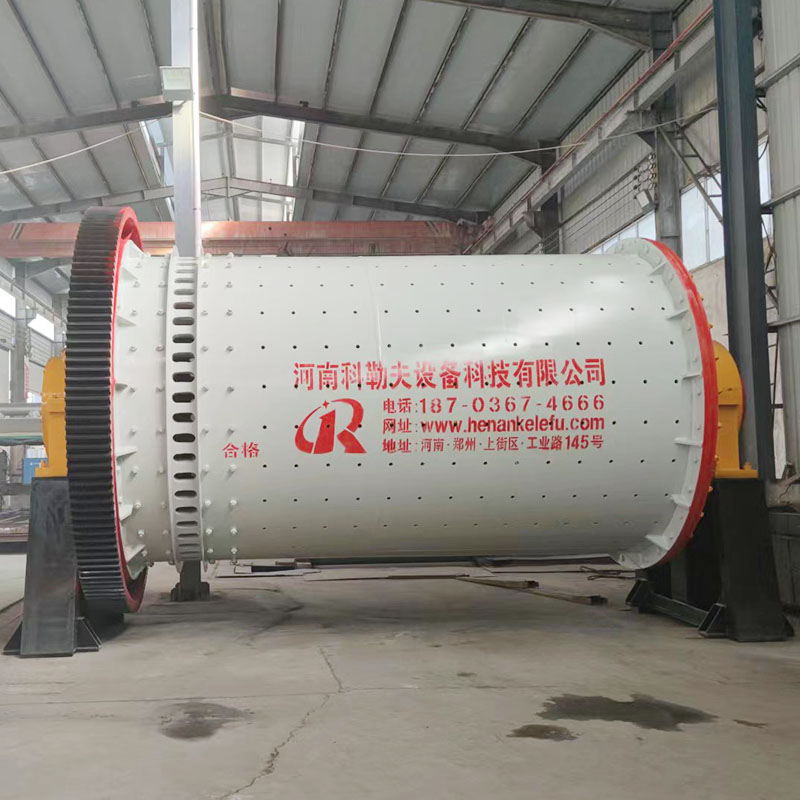
Our small ceramic ball mill is a batch-type horizontal grinding system with full ceramic lining, designed for medium-batch production of high-purity powders and slurries.
Materials & Process Flexibility
Core Materials:
· Ceramic Body Raw Materials: Feldspar (potash/soda), quartz/silica, kaolin, ball clay, talc — for tableware, sanitaryware, wall and floor tile body preparation
· Glaze & Frit: Raw glaze mixtures, frit granules, color stains — for wet or dry glaze preparation
· High-Purity Industrial Minerals: Alumina (calcined/tabular), zircon sand, wollastonite, dolomite, calcium carbonate — for refractories, fillers, and specialty applications
· Other Non-Metallic Minerals: Limestone, barite, bentonite, gypsum — for small-scale production or pilot testing
Process Options:
· Wet Batch Grinding: For ceramic body slip and glaze slurry. Water and deflocculant are added to achieve target slip density (typically 1.65-1.75 g/cm³).
· Dry Batch Grinding: For frit, glaze powder, and mineral fillers. No water added; product discharged as dry powder.
· Multi-Recipe Flexibility: The batch process allows you to grind different materials and recipes in the same mill. Simply clean between batches.
· Rubber or Ceramic Lining: Ceramic lining is standard for white body and iron-free applications. Rubber lining is optionally available for non-critical or abrasive materials.
Loading – Raw materials, water (for wet grinding), and grinding media are loaded into the mill through the charging opening. The typical media-to-material ratio is 1.5:1 to 2.5:1 by weight.
Sealing & Start – The charging cover is bolted securely. The digital timer is set, and the mill starts rotating at the preset speed.
Grinding – As the cylinder rotates, the ceramic balls cascade and grind the material by impact and attrition. For wet grinding, the slurry consistency is maintained by the fixed water ratio.
Monitoring – Periodically, the mill is stopped and a sample is taken to check fineness on a 45µm or 63µm sieve. Grinding continues until the target residue is achieved.
Discharge – Once the target fineness is reached, the mill is stopped. For wet slip, the slurry is discharged through the discharge port into an underground agitator tank. For dry powder, the mill is tilted or the powder is vacuumed out through the port.
Cleaning – The mill interior and media are washed with water, ready for the next batch or recipe.
| Model | Cylinder Size (mm) | Effective Volume (m³) | Batch Capacity (kg/batch) | Motor Power (kW) | Speed (r/min) | Liner Material |
|---|---|---|---|---|---|---|
| 600×1200 | Φ600×1200 | 0.15 | 60–100 | 1.5 | 38 | Alumina / Rubber |
| 900×1200 | Φ900×1200 | 0.35 | 150–250 | 3.0 | 35 | Alumina / Rubber |
| 900×1800 | Φ900×1800 | 0.55 | 250–400 | 5.5 | 35 | Alumina / Rubber |
| 1200×1800 | Φ1200×1800 | 1.0 | 500–800 | 7.5 | 28 | Alumina / Rubber |
| 1200×2400 | Φ1200×2400 | 1.35 | 700–1100 | 11 | 28 | Alumina / Rubber |
| 1500×1800 | Φ1500×1800 | 1.8 | 1000–1500 | 15 | 25 | Alumina / Rubber |
| 1500×2400 | Φ1500×2400 | 2.4 | 1300–2000 | 18.5 | 25 | Alumina / Rubber |
| 1800×2400 | Φ1800×2400 | 3.5 | 2000–3000 | 22 | 22 | Alumina / Rubber |
Proven Performance: Small Ceramic Ball Mills in Action
Case 1: Tableware Factory, Southeast Asia
· Model: 2 × 900×1800 ceramic ball mills (wet batch)
· Material: Kaolin, ball clay, feldspar, quartz for porcelain tableware
· Product: Casting slip, density 1.68 g/cm³, 45µm residue <0.5%
· Result: 300 kg slip per batch, 3 batches per day per mill. Alumina-lined mills maintained body whiteness with zero iron specks. Replaced old pebble mills, increasing output by 40%.
Case 2: Glaze Preparation Workshop, South Asia
· Model: 600×1200 ceramic ball mill (dry batch)
· Material: Frit granules, color stains, kaolin for wall tile glaze
· Product: Dry glaze powder, 325 mesh >95% passing
· Result: 80 kg glaze powder per batch. Small batch size allowed flexible production of 15 different glaze colors per week. Alumina lining prevented iron cross-contamination.
Case 3: Feldspar Pilot Grinding Line, Middle East
· Model: 1200×2400 ceramic ball mill (wet batch)
· Material: Feldspar lumps (-25mm) for ceramic grade powder
· Product: Feldspar slurry for spray drying, 200 mesh >98% passing
· Result: 1000 kg per batch. Used as a pilot before investing in a continuous 2.4×13m ball mill. Pilot data accurately predicted the full-scale performance.
Quality Assurance for Ceramic Ball Mills
· Certified Ceramic Components: Every batch of alumina bricks and balls is certified for Al₂O₃ content (92%, 95%, or 99%), bulk density, and water absorption. Certificates are provided with each mill delivery.
· Pre-Delivery Assembly Check: Each small ceramic ball mill is test-assembled in our factory. The brick lining is inspected for tight joints and smooth surface finish. The drive system is run without load to confirm alignment and bearing temperature.
· Iron-Free Guarantee: We contractually guarantee iron contamination <20 ppm for alumina-lined ceramic ball mills. If a white body or glaze is discolored due to our mill's wear, we provide replacement liners and media.
· Spare Parts Availability: Alumina bricks, grinding balls, and drive components are kept in stock for all standard models. Express delivery available for urgent replacements.
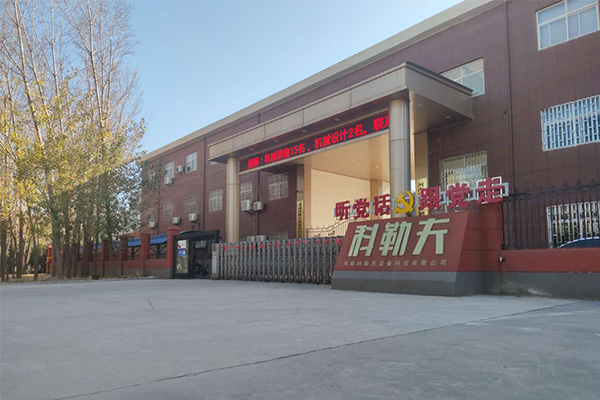
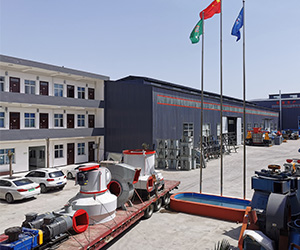
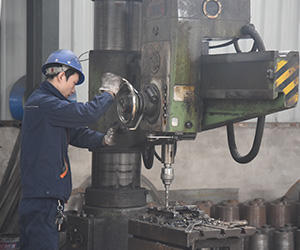
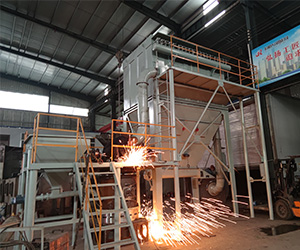
Kolev Equipment Technology Co., Ltd. is a large-scale private technology enterprise specializing in the research, development, production, and sales of mining and metal ore processing equipment. With over 20 years of experience in ultra-fine grinding, industrial drying, and crushing sand making industries, we provide intelligent solutions and mature supporting products worldwide.
Tell us your needs. We will match the best model for you and send a solution + reference quote within 24 hours.
We're here to help with all your inquiries. Send us a message and we'll get back to you promptly.
Fill out the form below and we'll contact you soon