
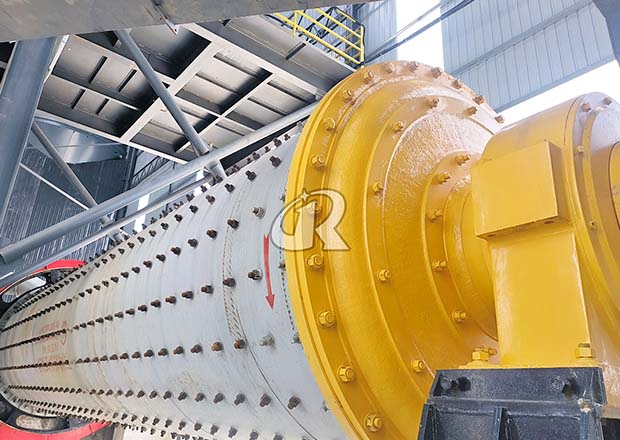
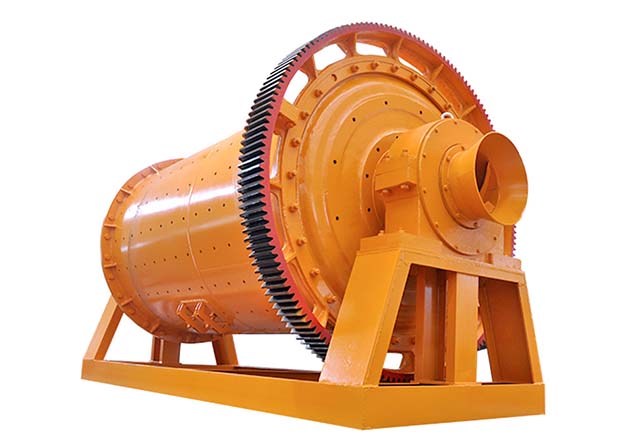
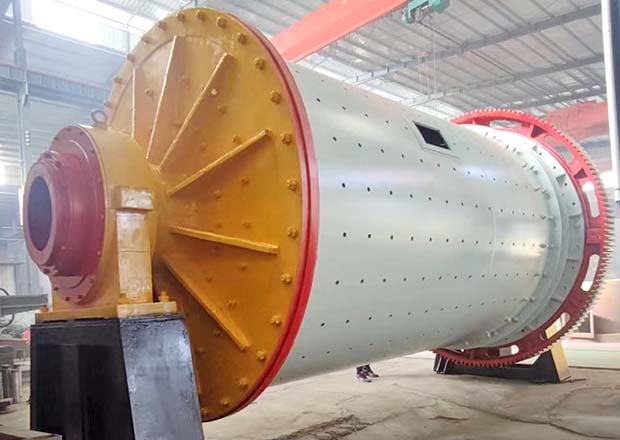
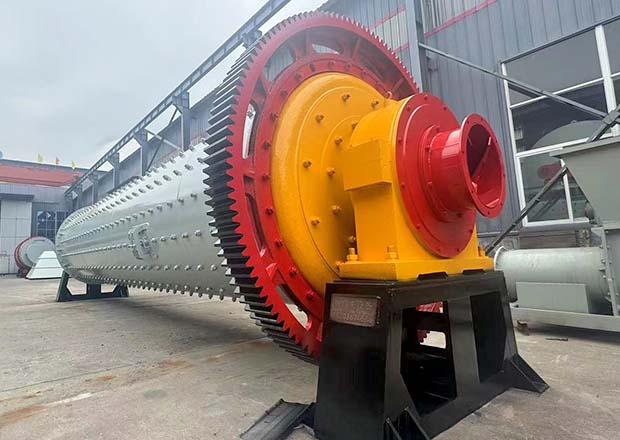
Fly Ash Ball Mill | High-Efficiency Fly Ash Grinding Mill for Superior Pozzolana Reliable fly ash ball mill to boost fly ash activity index. Achieve fineness 45µm sieve residue ≤12%, Blaine ≥450 m²/kg. Closed-circuit, low energy. Capacity 5–100 tph. Dry process, advanced dust collection. Get a custom grinding solution.
Millions of tons of fly ash sit in landfills and ponds. Meanwhile, cement and concrete plants pay a premium for pozzolanic materials. The missing link is the right grinding technology.
Raw fly ash directly from the electrostatic precipitator often has low reactivity, inconsistent fineness, and high loss on ignition (LOI). Feeding it into a standard ball mill results in a lightweight material that floats rather than grinds, leading to low throughput, blinding of classifier wheels, and sky-high specific power consumption. A conventional mill simply wasn’t designed for a powder that wants to fly, not flow.
Our fly ash ball mill system is built differently. Every component — from the feeding device to the air classifier to the dust collection network — is optimized for the low bulk density, fine feed nature, and glassy abrasiveness of fly ash. The result is a grinding circuit that delivers:
Dramatically improved pozzolanic reactivity: Raise your fly ash from Grade III (low activity) to Grade I, qualifying for up to 30%+ cement replacement
Consistent Blaine fineness of 450–600 m²/kg, with 45 µm sieve residue well below 12%
Reduced water demand in the final concrete mix, thanks to optimized particle shape and distribution
Up to 25% less energy per ton compared to open-circuit general-purpose mills
A fully enclosed, negative-pressure system that captures every gram of dust
If you want to turn a low-cost industrial byproduct into a premium cement extender, the fly ash ball mill is your proven, profitable, and clean solution.
Fly ash is already fine; you need to grind just enough to break open porous particles and increase surface area without wasting energy. Our system pairs the fly ash ball mill with a high-efficiency dynamic separator. On-spec fine ash immediately exits the circuit, while only the coarse fraction returns. This prevents the “cushioning” effect of over-fine powder in the mill and keeps your power bill low.
Some fly ash arrives with up to 5% moisture, especially from lagoon or stockpiled sources. Our mill can be equipped with a hot gas generator to dry and grind simultaneously, ensuring that the classifier and bag filter stay clear and efficient. This single-machine solution cuts upfront capital and saves plant floor space.
Don’t be fooled by its soft appearance — fly ash contains hard, glassy cenospheres that abrade mild steel. We line the fly ash ball mill with high-chromium cast iron or alumina ceramic, specifically chosen to withstand this low-impact but persistent wear. Segmented liners allow fast, partial replacement without a full mill reline.
The entire grinding circuit runs under negative pressure. A pulse-jet bag filter — often with PTFE membrane bags for the finest particles — captures 100% of the processed fly ash. Emission levels are consistently below 10 mg/Nm³, keeping your plant compliant with environmental regulations and your workers safe from respirable silica dust.
| Parameter | Specification |
|---|---|
| Type | Single-compartment continuous dry ball mill (open/closed circuit) |
| Capacity | 5 – 100 tons per hour (depending on feed and target fineness) |
| Feed Material | Raw fly ash (Grade III, II), pond ash |
| Feed Moisture | ≤ 5% (up to 5% with integrated drying, otherwise ≤ 1.5%) |
| Product Fineness | 45 µm sieve residue ≤ 12% (Grade I), Blaine 450–650 m²/kg |
| System Power Consumption | 28–40 kWh/t (at 450 m²/kg), >20% lower than open-circuit mills |
| Activity Index | 7-day ≥ 70%, 28-day ≥ 80% (meeting ASTM C618 Class F requirements) |
| Mill Shell | Welded Q235B steel, stress-relieved |
| Liner Material | High-Cr cast iron, alumina ceramic, or Mn steel |
| Grinding Media | High-Cr steel balls, classified charge |
| Separator | High-efficiency dynamic or turbo separator, VFD controlled |
| Dust Collection | Pulse-jet bag filter, emission ≤ 10 mg/Nm³ |
| Control System | PLC / DCS, remote monitoring, automatic load control |
Your feed ash, your target grade, your plant layout. Let’s design your circuit.
Get a Free Custom Fly Ash Grinding Proposal →
Independent fly ash processing plants upgrading low-grade ash to premium, sellable Grade I fly ash for the cement and concrete industry.
Cement plants grinding fly ash in-house as a consistent, high-activity mineral addition for blended cements (Type IP, CEM II/B-V, CEM IV).
Ready-mix concrete and precast plants processing fly ash on-site to ensure a secure supply and reduce cement content in high-performance concrete.
Power plant ash pond reclamation projects turning decades of landfilled ash into a profitable, environmentally beneficial product line.
If there’s fly ash waiting to be reactivated, our fly ash ball mill makes it happen.
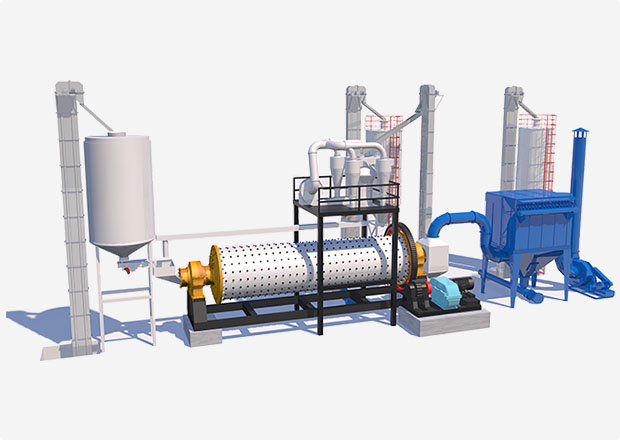
Controlled Feeding – Raw fly ash is metered from a silo via a fluidization-proof airslide and rotary airlock into the mill inlet.
Precise Grinding – In the single-compartment fly ash ball mill, classified steel balls grind the ash, breaking agglomerates and increasing surface area. Hot gas (if needed) simultaneously dries the material.
High-Efficiency Classification – The mill draft carries ground ash to a dynamic separator. Fine, on-spec product (Grade I ash) passes to the bag filter; grit returns to the mill for further grinding.
Clean Collection & Storage – Product fly ash is captured by the bag filter and pneumatically conveyed to the finished product silo, ready for bulk loading.
One tight, dust-free circuit. One premium pozzolan. Full automation from a single control room.
“Our fly ash went from waste pond to premium product in six months.”
“We reclaimed ash from a 30-year-old lagoon. No one wanted it because of high moisture and low reactivity. [YourCompany] designed a fly ash ball mill circuit with integrated drying and ceramic lining. After commissioning, we consistently produce 550 m²/kg Grade I fly ash that local ready-mix plants now fight over. The payback was under 2 years.”
— Project Director, Ash Beneficiation Plant, India
“We cut cement content in our concrete by 30% without losing strength.”
“As a large precast plant, our cement bill was killing margins. Installing a [YourCompany] fly ash ball mill allowed us to grind raw ash to 580 m²/kg in-house. We now replace 30% of Portland cement with our own high-activity ash, achieving equivalent 28-day strength and better workability. The mill is essentially printing money for us.”
— Technical Director, Precast Concrete Plant, Brazil
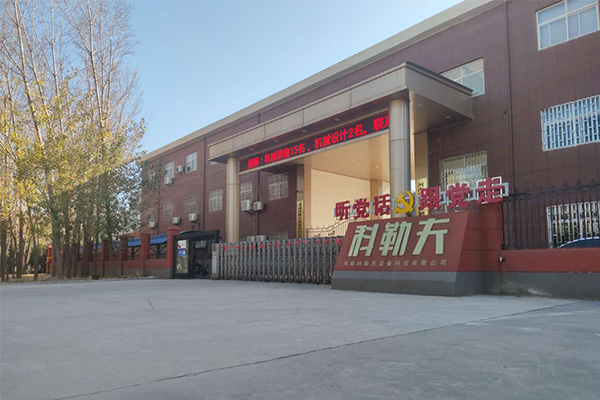
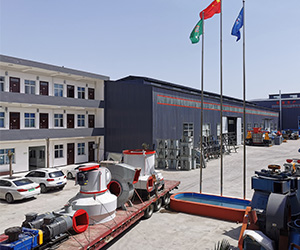
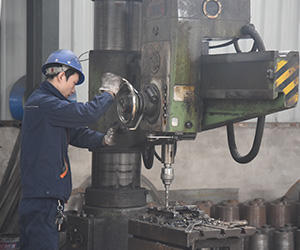
Kolev Equipment Technology Co., Ltd. is a large-scale private technology enterprise specializing in the research, development, production, and sales of mining and metal ore processing equipment. With over 20 years of experience in ultra-fine grinding, industrial drying, and crushing sand making industries, we provide intelligent solutions and mature supporting products worldwide.
Tell us your needs. We will match the best model for you and send a solution + reference quote within 24 hours.
We're here to help with all your inquiries. Send us a message and we'll get back to you promptly.
Fill out the form below and we'll contact you soon