
Gypsum Ball Mill | High-Performance Gypsum Grinding Mill for Plaster & Cement Proven gypsum ball mill for natural, FGD & phosphogypsum. Dry grinding to 100–400 mesh for plaster, gypsum board & cement retarder. Anti-clogging design, low energy use. Capacity 2–80 tph. Customized gypsum grinding solution. Get a quote.
Gypsum is soft, sticky, and heat-sensitive. Grind it in the wrong mill, and you’ll spend more time unclogging than producing.
Whether you process natural gypsum rock, FGD (flue gas desulfurization) synthetic gypsum, or phosphogypsum, the challenges are the same: moisture causes clogging, heat degrades the crystal structure, and inconsistent particle size wreaks havoc on your calcination process. Standard mills struggle to handle the 8–12% free moisture in FGD gypsum or the variable hardness of natural gypsum without constant stops and scrap product.
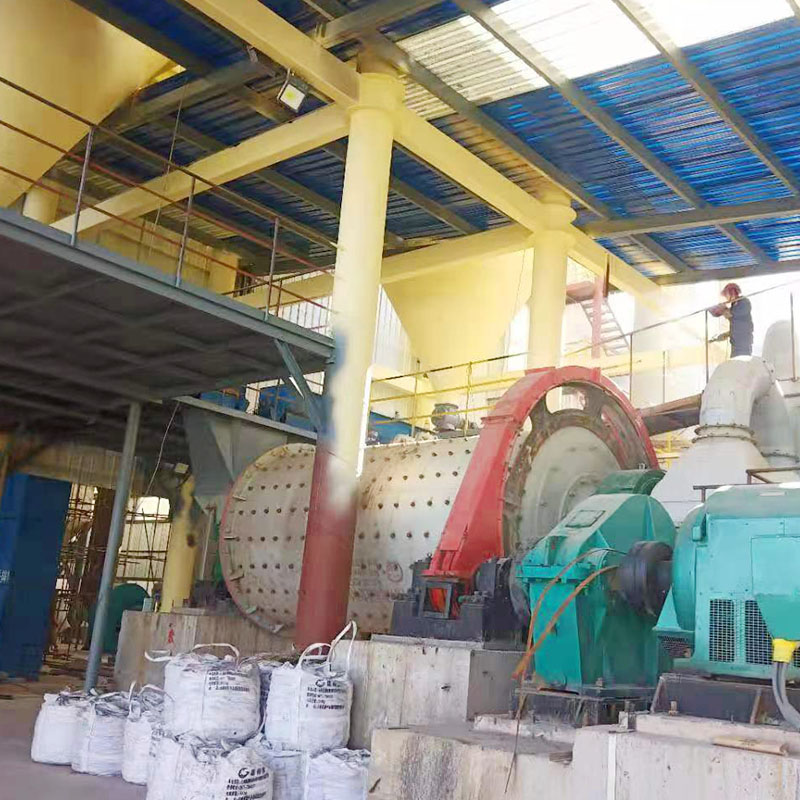
Our gypsum ball mill is purpose-designed around these material characteristics. From the feed hopper’s anti-bridging design to the low-temperature grinding zone to the closed-circuit air classifier, every element ensures:
Continuous, stable grinding even with 10% moisture — no sticking, no clogging, no interrupted production
Precise fineness from 100 mesh (150 µm) to 400 mesh (38 µm) — exactly matched to your calcination kettle or rotary kiln
Preservation of gypsum crystal integrity — proper grinding without excessive heat that converts gypsum to hemihydrate prematurely
Uniform particle size distribution that delivers consistent setting time, strength, and board weight in your final product
Significantly lower power draw compared to hammer mills and cage mills at equivalent fineness
If you want a gypsum ball mill that grinds every type of gypsum reliably, day and night, you’re in the right place.
Gypsum, especially FGD and phosphogypsum, can be sticky and hygroscopic. Our gypsum ball mill incorporates an oversized feed spout, internal lifters that continuously sweep the grinding chamber, and a special air-swept ventilation system. These features keep the material moving, prevent buildup on the mill wall, and eliminate the common “butter layer” that forms inside standard mills.
Gypsum (CaSO₄·2H₂O) begins to lose its water of crystallization at temperatures as low as 80°C if held long enough. Our mill’s high-efficiency air-swept design removes heat rapidly. Combined with controlled residence time, it grinds gypsum to target fineness without causing premature dehydration that would ruin the setting properties.
Your calcination process — whether a rotary kiln, a kettle, or a flash calciner — demands a specific top size and particle size distribution. Our closed-circuit gypsum ball mill with a dynamic separator allows you to dial in exactly the mesh cut (100, 200, 325 mesh, etc.) and keep it there, batch after batch. No more over-calcined fines or under-calcined coarse grains.
Natural gypsum (80–90% purity rock) — robust crushing and grinding in the first chamber
FGD gypsum (moist, fine powder) — direct feed, gentle grinding to avoid blinding
Phosphogypsum (acidic, sticky) — optional stainless steel internals and special ventilation
Recycled gypsum (board waste) — pre-shredding and then fine grinding
The mill configuration (liner type, media size, ventilation) adapts to your feedstock, not the other way around.
5. Heavy-Duty Yet Simple to Maintain
Despite gypsum’s softness (Mohs 2), the continuous abrasive action of fine silica and unburnt carbon in synthetic gypsum wears equipment. We use high-manganese or ceramic-lined internals in critical areas. All wear parts are segmented for quick replacement through the mill’s access doors — no full disassembly.
| Parameter | Specification |
|---|---|
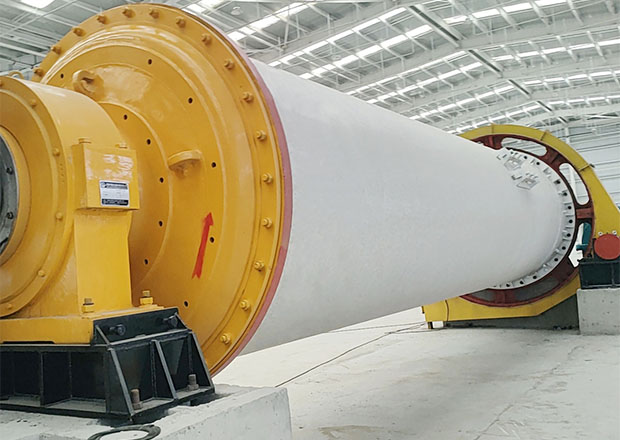
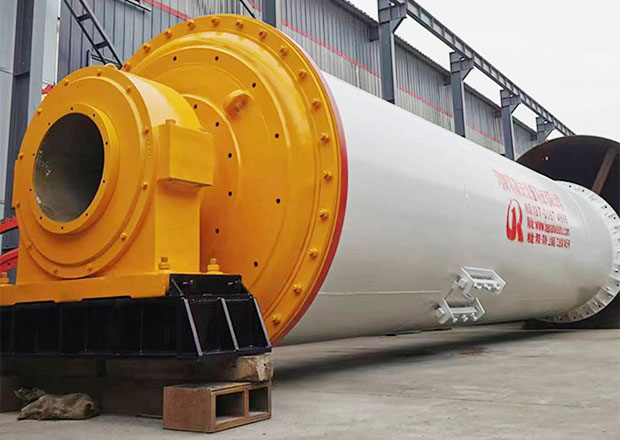
| Type | Air-swept single-compartment or two-compartment continuous dry ball mill |
| Capacity | 2 – 80 tons per hour (feed-dependent) |
| Feed Material | Natural gypsum rock, FGD gypsum, phosphogypsum, recycled gypsum |
| Feed Moisture | Up to 12% (FGD/phosphogypsum); up to 5% (natural) |
| Feed Size | Natural: ≤ 25 mm; FGD: as received powder |
| Product Fineness | 100 mesh (150 µm) to 400 mesh (38 µm), adjustable |
| System Power Consumption | 18–32 kWh/t (significantly lower than hammer/cage mills) |
| Mill Shell | Welded Q235B steel, stress-relieved |
| Liner Material | High-Mn steel, Ni-hard, or alumina ceramic (critical zones) |
| Grinding Media | High-Cr steel balls or ceramic balls |
| Separator | High-efficiency dynamic air separator, VFD controlled |
| Ventilation | Forced air-swept, volume adjustable |
| Dust Collection | Pulse-jet bag filter, emission ≤ 10 mg/Nm³ |
| Control System | PLC with HMI, automatic feed and separator control |
Your gypsum type, your calcination setup, your target fineness. Let’s configure a grinding system that fits perfectly.
Get a Custom Gypsum Ball Mill Proposal →
Gypsum plaster & stucco producers needing consistent, fine gypsum powder for building plasters and bagged products.
Gypsum board / drywall manufacturers grinding raw gypsum as the core feedstock for high-speed board lines.
Cement plants producing gypsum powder as a set retarder for Portland and blended cements.
FGD gypsum processors turning power plant byproduct into a valuable, sellable commodity.
Phosphoric acid / fertilizer complexes recycling phosphogypsum into construction materials.
Recycled gypsum board operations converting demolition waste back into powder for new boards.
No matter your gypsum source or end product, this gypsum ball mill forms the reliable heart of your process.
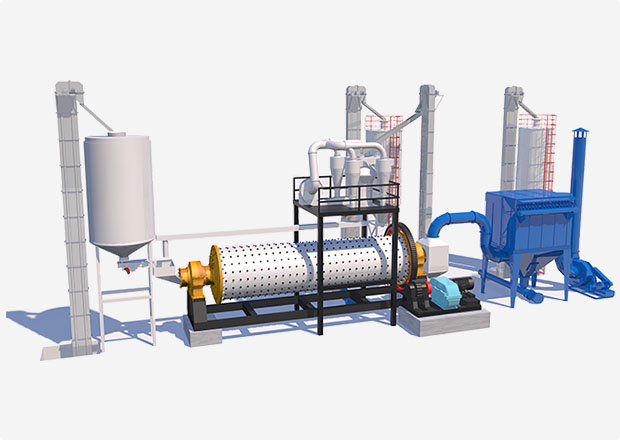
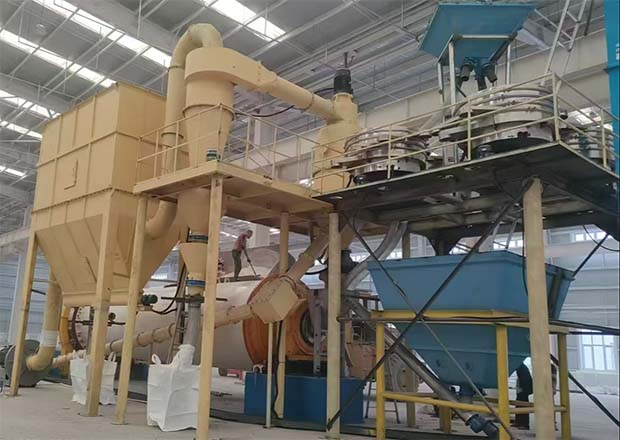
Metered Feeding – Gypsum rock, moist FGD powder, or recycled material is fed via a belt conveyor and anti-bridging hopper into the mill.
Air-Swept Grinding – In the rotating mill, grinding media crush and grind the gypsum. A controlled air stream sweeps through the mill, carrying fine particles out while larger ones continue grinding.
Dynamic Classification – The air stream lifts the ground material to a dynamic air separator. Particles meeting the target fineness pass through; oversize returns to the mill inlet.
Collection & Storage – Finely ground gypsum powder is captured by a high-efficiency bag filter and conveyed to storage silos, ready to feed the calcination unit.
A continuous, closed-circuit, dust-free process that delivers the exact fineness your calciner demands.
“We doubled our FGD gypsum processing capacity without a single blockage.”
“Our old cage mill used to clog every few days with our 10% moisture FGD gypsum. [YourCompany] replaced it with a purpose-built gypsum ball mill with an air-swept design. We haven’t had a single unplanned stoppage in 14 months, and capacity went from 8 tph to 20 tph. Our calcination kettle’s efficiency also improved because the feed is so consistent.”
— Production Manager, Gypsum Plaster Plant, Poland
“Perfect board weight control, every single shift.”
“For a gypsum board plant, consistency is everything. Since installing the [YourCompany] gypsum ball mill with dynamic separator, our ground gypsum fineness stays at 95% passing 100 mesh without drifting. Our board weight variance is now under 1%, saving us thousands in raw material costs per month.”
— Plant Superintendent, Gypsum Board Plant, Mexico
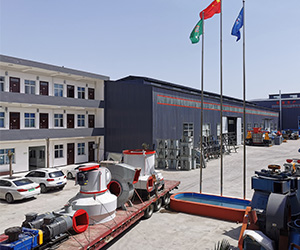
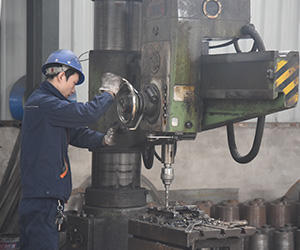
Kolev Equipment Technology Co., Ltd. is a large-scale private technology enterprise specializing in the research, development, production, and sales of mining and metal ore processing equipment. With over 20 years of experience in ultra-fine grinding, industrial drying, and crushing sand making industries, we provide intelligent solutions and mature supporting products worldwide.
Tell us your needs. We will match the best model for you and send a solution + reference quote within 24 hours.
We're here to help with all your inquiries. Send us a message and we'll get back to you promptly.
Fill out the form below and we'll contact you soon