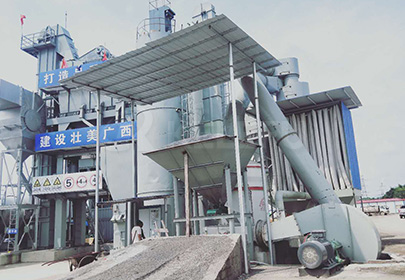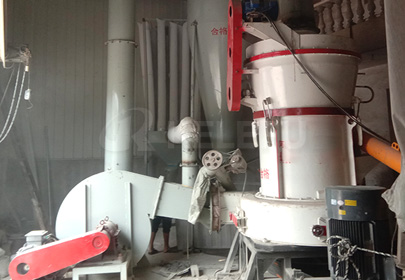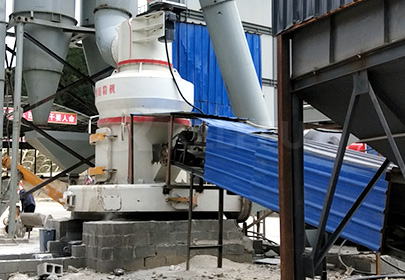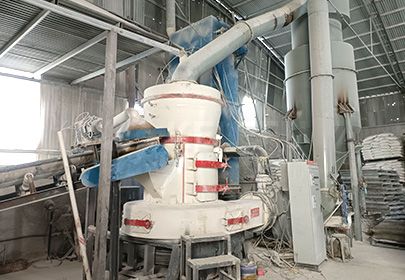
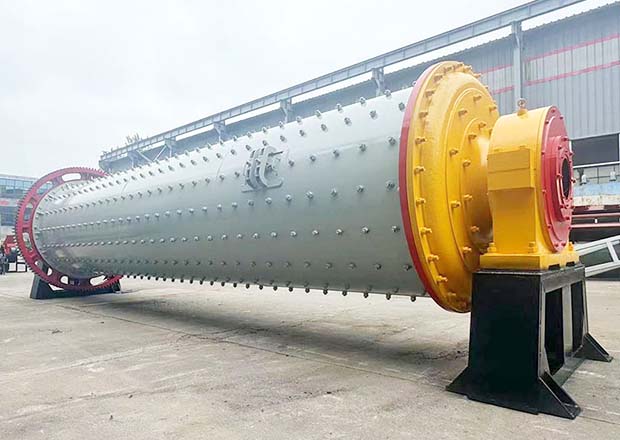
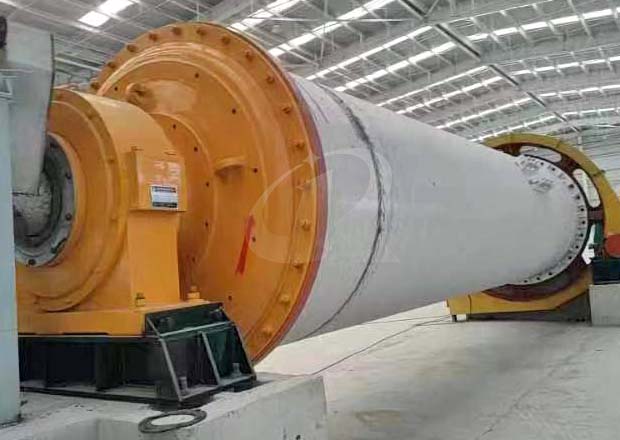
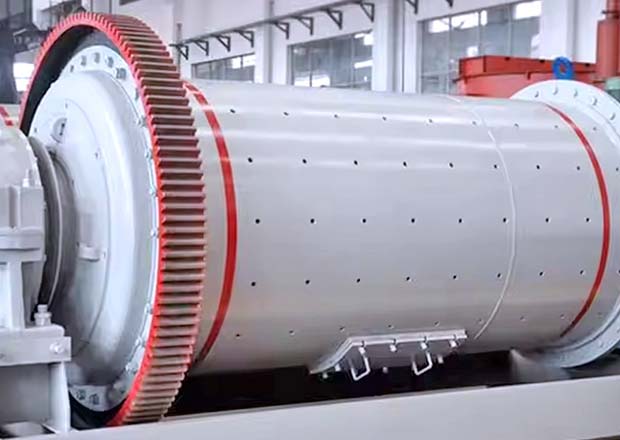
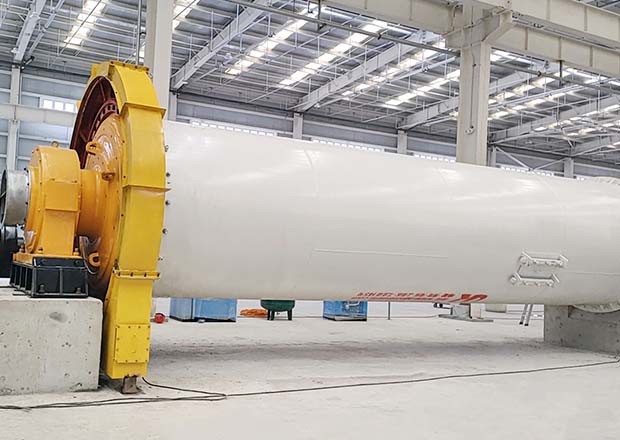
Gypsum ball mill (also called gypsum grinding mill or gypsum powder machine) is a specialized gypsum grinding equipment used to crush and grind raw gypsum (CaSO₄·2H₂O), calcined gypsum (CaSO₄·0.5H₂O, also called stucco or plaster of Paris), or anhydrite into fine powder.
Gypsum ball mill (also called gypsum grinding mill or gypsum powder machine) is a specialized gypsum grinding equipment used to crush and grind raw gypsum (CaSO₄·2H₂O), calcined gypsum (CaSO₄·0.5H₂O, also called stucco or plaster of Paris), or anhydrite into fine powder. It plays a critical role in:
Cement industry – gypsum powder is added as a set retarder during cement grinding (typically 3–5% gypsum)
Gypsum board (drywall) production – fine plaster powder for wallboard core
Plaster & stucco manufacturing – for construction finishing and molding
Agricultural gypsum – soil conditioner
Ceramic & medical plaster – high‑purity fine gypsum powder
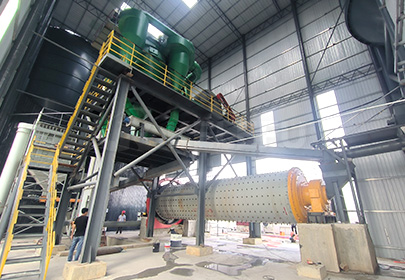
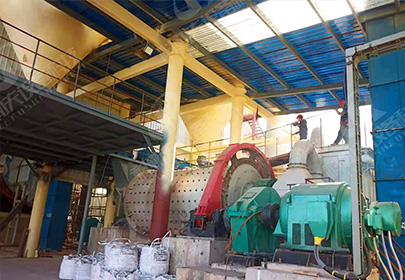
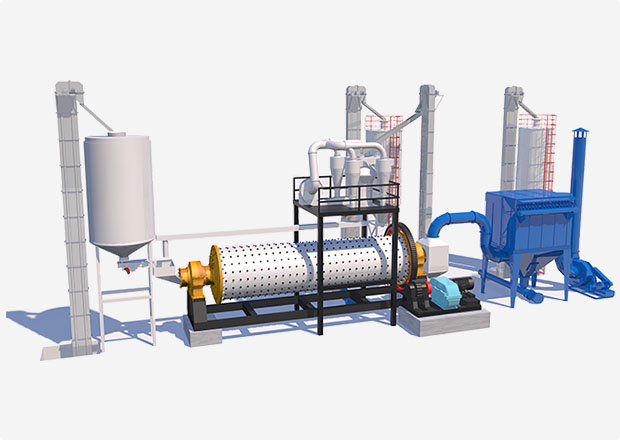
Our gypsum ball mill features a horizontal rotating cylinder with two or three grinding chambers, lined with wear‑resistant plates and equipped with an advanced ventilation system to prevent overheating (critical for gypsum, as excessive heat drives off crystallization water). The mill can operate in open circuit or closed circuit with an air classifier. As a professional ball mill manufacturer, we provide tailored solutions for both raw gypsum grinding and calcined gypsum grinding.
Applicable materials: raw gypsum rock, flue gas desulfurization (FGD) gypsum, natural gypsum, calcined gypsum, anhydrite, phosphogypsum.
Step 1 – Feeding
Gypsum (≤25 mm) is fed via a weigh belt feeder into the mill inlet. For wet FGD gypsum, hot gas is drawn through the mill simultaneously.
Step 2 – Coarse Grinding (Chamber 1)
The first chamber contains medium‑sized steel balls (Φ40–70 mm). Rotation lifts and cascades the balls to crush the gypsum lumps.
Step 3 – Material Flow to Second Chamber
Coarse material passes through a slotted diaphragm into the second chamber.
Step 4 – Fine Grinding (Chamber 2)
The second chamber contains smaller balls (Φ15–40 mm) and classifying liners for fine grinding. Forced airflow carries away heat, keeping temperature below 80°C.
Step 5 – Classification & Collection
Ground material is discharged and lifted to a dynamic air classifier. Finished gypsum powder (fines) is collected by a bag filter; coarse particles return to the mill for regrinding (closed‑circuit operation). For drying‑grinding systems, the hot gas exits the mill and passes through the bag filter, which is specially designed for high‑temperature operation.
Unlike hard minerals, gypsum is heat‑sensitive. Our mill is equipped with a forced ventilation system and optional water spray cooling on the mill shell. The outlet temperature is kept below 80°C, ensuring that raw gypsum (CaSO₄·2H₂O) remains chemically unchanged – no premature dehydration into hemihydrate.
Gypsum’s low Mohs hardness (2) requires a different grinding strategy. We use smaller grinding media (Φ15–50 mm) and classifying liners to maximize fine grinding while avoiding over‑grinding. Output is 15–20% higher than conventional designs.
The mill interior features smooth, polished liners that reduce material adhesion. For abrasive impurities, we offer high chromium cast iron liners (HRC ≥58). The grinding media uses forged steel balls with low breakage rate (<0.5%).
The PLC‑based control system automates feed rate, mill load, bearing temperature, and separator speed. Real‑time monitoring of outlet temperature prevents overheating. Remote SCADA access available. We supply standard dry gypsum ball mills (for natural gypsum with moisture <5%) and drying‑grinding mills (for wet FGD gypsum or phosphogypsum with moisture 10–15%), using hot gas from a hot air generator or kiln exhaust.
| Model | Dia.×Length (m) | Capacity (t/h) * | Fineness (Mesh) | Motor Power (kW) |
|---|---|---|---|---|
| Φ1.83×7m | 1.83×7 | 2–4 | 80–200 | 135 |
| Φ2.2×7.5m | 2.2×7.5 | 4–8 | 80–200 | 245 |
| Φ2.4×10m | 2.4×10 | 8–14 | 200–325 | 400 |
| Φ2.6×13m | 2.6×13 | 12–20 | 325 | 630 |
| Φ3.2×13m | 3.2×13 | 20–40 | 325–400 | 1250 |
| Φ3.8×13m | 3.8×13 | 40–60 | 400 | 2000 |
Capacity for natural gypsum (feed ≤20mm, moisture <5%, target 90% passing 200 mesh). Custom capacities up to 80 TPH available.
| Model | Dia.×Length (m) | Feed Moisture | Capacity (t/h) | Motor Power (kW) |
|---|---|---|---|---|
| Φ2.4×8m | 2.4×8 | ≤15% | 6–10 | 400 |
| Φ2.8×10m | 2.8×10 | ≤15% | 12–18 | 800 |
| Φ3.2×12m | 3.2×12 | ≤15% | 20–30 | 1250 |
| Φ3.6×7.5m | 3.6×7.5 | 80–120 | 25–30% | 1250 |
| Parameter | Value |
|---|---|
| Max. feed size | ≤20–25 mm |
| Output fineness | 80 – 400 Mesh (0.044 – 0.18 mm) |
| Mill outlet temperature | ≤80°C (raw gypsum) / ≤120°C (calcined gypsum) |
| Feed moisture (dry mill) | ≤5% (higher requires drying‑grinding) |
| Grinding method | Dry (standard) / Drying‑grinding |
| Circuit type | Closed‑circuit (recommended) or open‑circuit |
| Number of chambers | 2 |
| Liner material | High chromium cast iron / High manganese steel / Polished alloy steel (anti‑sticking) |
| Grinding media | Forged steel balls (small diameter recommended for gypsum) |
When selecting a gypsum grinding mill, consider these seven factors:
Type of gypsum – Natural gypsum rock, FGD synthetic gypsum, phosphogypsum, or calcined gypsum? Moisture content and purity vary significantly.
Target fineness & application – Cement retarder typically needs 80–120 mesh; plaster & board require 200–325 mesh; agricultural gypsum is coarser (40–80 mesh).
Moisture content – Below 5%: standard dry ball mill. Above 5%: choose a drying‑grinding ball mill with hot gas system.
Overheating risk – If grinding raw gypsum (CaSO₄·2H₂O), the mill must have forced ventilation and temperature control to prevent dehydration. For calcined gypsum, higher temperature is acceptable.
Capacity requirement – State your required tons per hour. We will match the optimal ball mill capacity.
Material stickiness – Soft, sticky gypsum requires anti‑sticking liners and proper ventilation.
After‑sales support – Installation, commissioning, training, and spare parts availability. Our team provides 24/7 support.
| Feature | Raw Gypsum (CaSO₄·2H₂O) | Calcined Gypsum (CaSO₄·0.5H₂O) |
|---|---|---|
| Common name | Dihydrate, natural gypsum rock | Stucco, plaster of Paris, hemihydrate |
| Typical application | Cement retarder (add to clinker) | Plaster, drywall, molding, art |
| Mohs hardness | 2 (soft) | 2 (soft) |
| Sensitivity to heat | Very high – loses crystal water above 80–120°C → becomes non‑hydrating | Moderate – can withstand higher temperatures (up to 200°C) without chemical change |
| Max. mill outlet temp. | ≤80°C (forced cooling required) | ≤120°C |
| Moisture content | 3–10% (natural) / 10–15% (FGD) | <1% (dry) |
| Grinding media | Small balls (Φ15–50 mm) | Small balls (Φ15–50 mm) |
| Ventilation | High airflow (cools mill) | Normal airflow |
| Water spray cooling | Recommended | Optional |
| Drying‑grinding | Required if moisture >5% | Not needed (already calcined) |
If you are grinding raw gypsum for cement retarder: You must use a ball mill with forced ventilation + temperature control (outlet <80°C). Without cooling, the gypsum will dehydrate and lose its setting‑retarding effect. We strongly recommend a closed‑circuit ball mill with a bag filter designed for warm air.
If you are grinding calcined gypsum for plaster or board: The temperature limit is less strict (≤120°C). However, avoid excessive grinding that generates fine dust – use a dynamic classifier for sharp particle size distribution.
If you have wet FGD gypsum (10–15% moisture): Choose a drying‑grinding ball mill that uses hot gas to dry and grind simultaneously, regardless of whether it will be used raw or calcined later.
Pro tip: Many cement plants mistakenly grind raw gypsum in a standard ball mill without cooling, resulting in dehydrated gypsum that fails to retard cement setting. Our forced ventilation system prevents this common failure. Send us your gypsum sample – we will perform a dehydration test and recommend the right configuration.
ISO9001 & CE certified – Strict quality control from raw material to final assembly.
20+ years in grinding equipment – Specialized in gypsum ball mills for cement, plaster, board, and FGD gypsum.
Temperature control expertise – Patented forced ventilation and water spray cooling system to prevent gypsum dehydration.
Anti‑sticking liner technology – Polished alloy liners reduce material adhesion, improving throughput.
Full process support – Lab test (dehydration analysis) → engineering → manufacturing → installation → commissioning → training.
Global service network – Engineers available for on‑site visit and 24/7 remote troubleshooting.
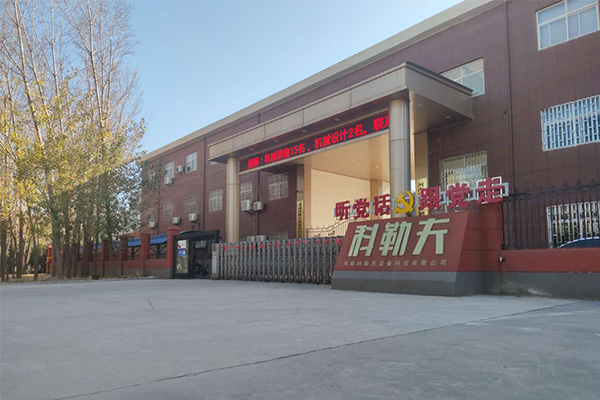
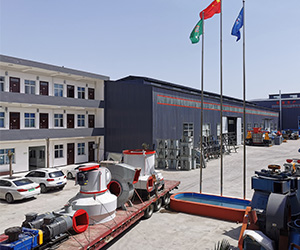
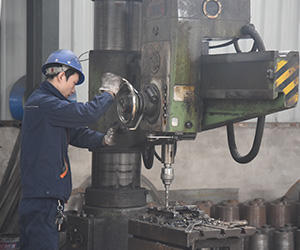
Kolev Equipment Technology Co., Ltd. is a large-scale private technology enterprise specializing in the research, development, production, and sales of mining and metal ore processing equipment. With over 20 years of experience in ultra-fine grinding, industrial drying, and crushing sand making industries, we provide intelligent solutions and mature supporting products worldwide.
Tell us your needs. We will match the best model for you and send a solution + reference quote within 24 hours.
We're here to help with all your inquiries. Send us a message and we'll get back to you promptly.
Fill out the form below and we'll contact you soon