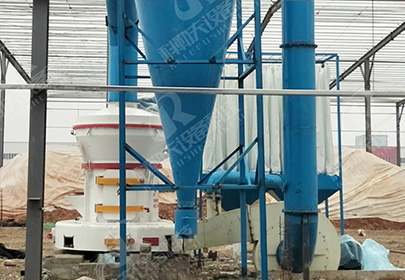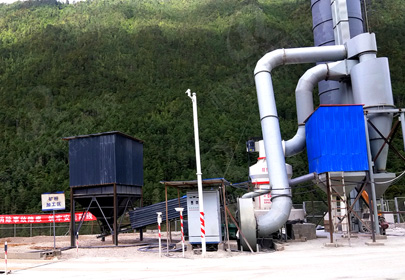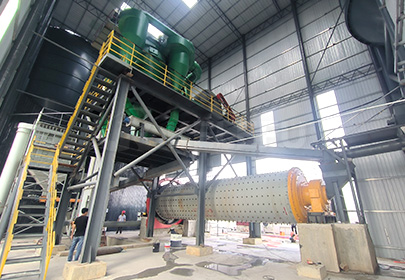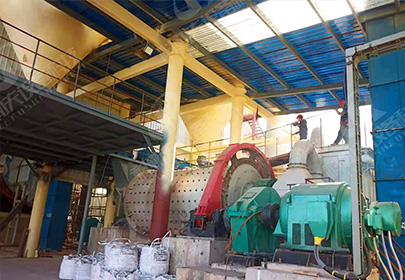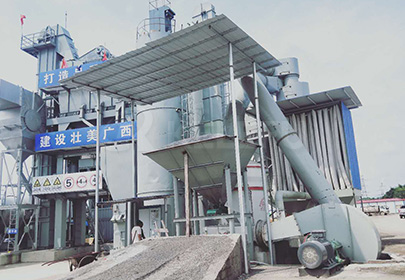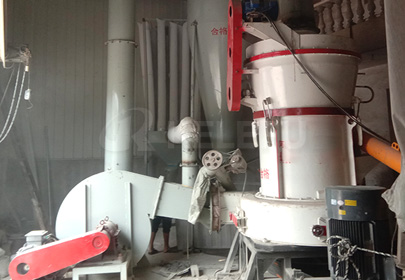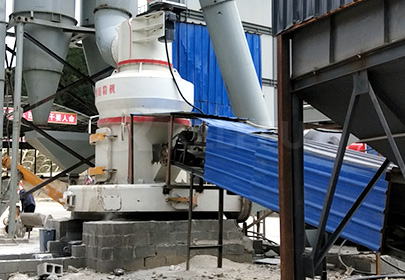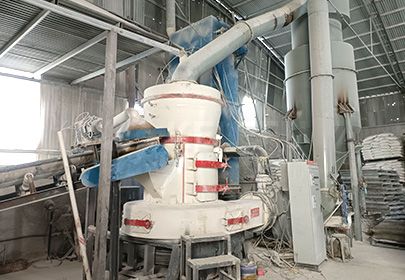
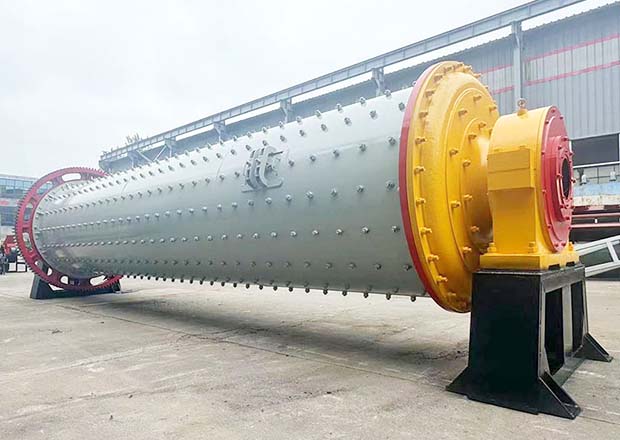
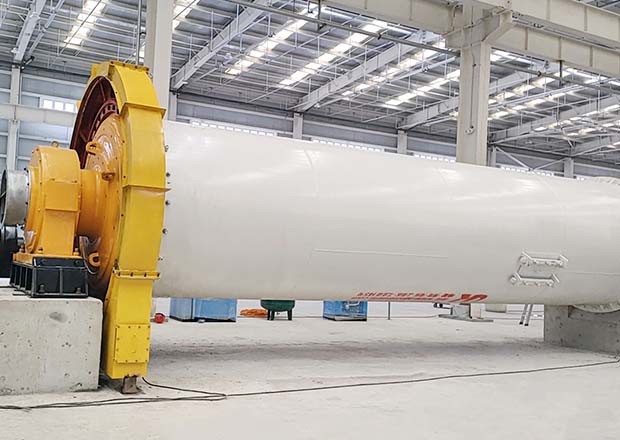
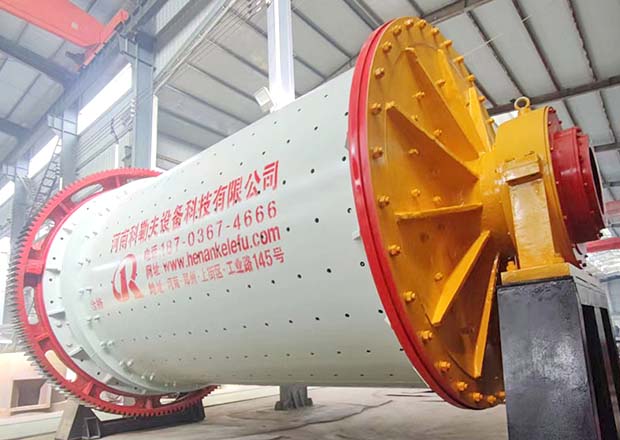
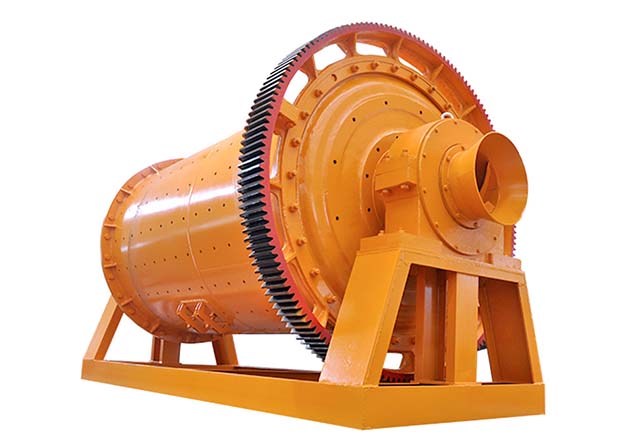
Coal gangue ball mill (also called gangue grinding mill or coal waste ball mill) is a specialized grinding equipment designed to crush and grind hard, abrasive coal gangue (a by‑product of coal mining) into fine powder. Coal gangue is a mixture of shale, carbonaceous rock, and other minerals with a Mohs hardness of 4–6, making it much harder than coal or limestone.
Coal gangue ball mill (also called gangue grinding mill or coal waste ball mill) is a specialized grinding equipment designed to crush and grind hard, abrasive coal gangue (a by‑product of coal mining) into fine powder. Coal gangue is a mixture of shale, carbonaceous rock, and other minerals with a Mohs hardness of 4–6, making it much harder than coal or limestone. Powdered gangue is widely used in:
Cement industry – as a pozzolanic additive or raw material for cement (replaces clay)
Lightweight aggregate production – sintered gangue pellets for concrete
Brick & tile manufacturing – high‑strength fired bricks
Mine backfill – mixed with cement to fill underground voids
Road base & soil amendment – after crushing and grinding
Our coal gangue ball mill features a heavy‑duty horizontal rotating cylinder with two grinding chambers, lined with ultra‑wear‑resistant high chromium alloy plates to withstand extreme abrasion. The mill can operate in open circuit or closed circuit with an air classifier. As a professional ball mill manufacturer, we provide tailored solutions for gangue grinding, including optional magnetic separation to remove iron contaminants.
Applicable materials: coal gangue (raw or calcined), oil shale, carbonaceous shale, slate, and other medium‑hard to hard waste rocks (Mohs 4–7).
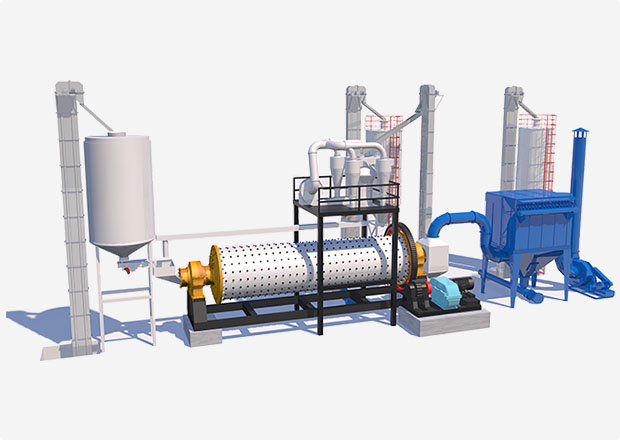
Step 1 – Feeding
Coal gangue (≤30 mm) is fed via a weigh belt feeder into the mill inlet. For drying‑grinding, hot gas is drawn through the mill.
Step 2 – Coarse Grinding (Chamber 1)
The first chamber contains large‑medium steel balls (Φ60–90 mm) with stepped liners. Rotation lifts and drops the balls to impact‑crush the hard gangue.
Step 3 – Material Flow to Second Chamber
Partially ground material passes through a slotted diaphragm into the second chamber.
Step 4 – Fine Grinding (Chamber 2)
The second chamber contains smaller balls (Φ20–50 mm) and classifying liners for fine grinding. Forced airflow carries fine particles toward the discharge.
Step 5 – Classification & Collection
Ground material is discharged and lifted to a dynamic air classifier. Finished gangue powder (fines) is collected by a bag filter; coarse particles return to the mill (closed‑circuit). An optional magnetic separator can remove iron particles before the final product is stored.
Our gangue ball mill is built to last. The cylinder is lined with high chromium cast iron (HRC ≥62) – twice as hard as standard manganese steel. The grinding media are forged alloy steel balls with precisely controlled hardness (HRC 58–62) and breakage rate <0.5%. Main bearings are designed for >10 years of continuous operation.
Compared to open‑circuit mills, our closed‑circuit coal gangue ball mill reduces over‑grinding of hard material. The dynamic air classifier returns only coarse particles, saving 15–20% on electricity. Specific energy consumption is typically 18–28 kW·h/t depending on fineness.
For applications requiring low iron content (e.g., white cement additive, ceramic filler), we offer an integrated magnetic separation system (permanent magnetic drum or plate magnet) after the mill outlet. Alternatively, specify non‑metallic grinding with alumina ceramic liners and grinding balls (available on request).
The PLC‑based control system automates feed rate, mill load, bearing temperature, and classifier speed. Real‑time monitoring of motor current (load) prevents over‑loading. Remote SCADA access available. & If your coal gangue has moisture >5%, we can supply a drying‑grinding ball mill that pulls hot gas (from a hot air generator or waste heat source) through the mill, drying the material while grinding. This eliminates a separate drying step.
| Model | Dia.×Length (m) | Capacity (t/h) * | Fineness (Mesh) | Motor Power (kW) |
|---|---|---|---|---|
| Φ1.83×7m | 1.83×7 | 2–4 | 80–200 | 135 |
| Φ2.2×7.5m | 2.2×7.5 | 4–8 | 80–200 | 245 |
| Φ2.4×10m | 2.4×10 | 8–14 | 200–325 | 400 |
| Φ2.6×13m | 2.6×13 | 12–22 | 325 | 630 |
| Φ3.2×13m | 3.2×13 | 25–45 | 325–400 | 1250 |
| Φ3.8×13m | 3.8×13 | 45–65 | 400 | 2000 |
Capacity based on coal gangue with Mohs 5, feed ≤25mm, moisture <5%, target 90% passing 200 mesh. Custom capacities up to 80 TPH available.
| Model | Dia.×Length (m) | Capacity (t/h) | Inlet Moisture | Motor Power (kW) |
|---|---|---|---|---|
| Φ2.4×10m | 2.4×10 | 6–10 | ≤12% | 400 |
| Φ2.8×11m | 2.8×11 | 12–18 | ≤12% | 800 |
| Φ3.2×12m | 3.2×12 | 20–30 | ≤12% | 1250 |
| Parameter | Value |
|---|---|
| Max. feed size | ≤20–30 mm |
| Output fineness | 80 – 400 Mesh (0.044 – 0.18 mm) |
| Feed moisture (dry mill) | ≤5% (higher requires drying‑grinding) |
| Grinding method | Dry (standard) / Drying‑grinding |
| Circuit type | Closed‑circuit (recommended) or open‑circuit |
| Number of chambers | 2 |
| Liner material | High chromium cast iron (HRC ≥62) / Ceramic (for iron‑free) |
| Grinding media | Forged alloy steel balls (HRC 58–62) / Alumina balls (optional) |
| Optional features | Magnetic separator, hot gas system, ceramic lining |
When selecting a gangue grinding mill, consider these seven factors:
Hardness & abrasion index – Coal gangue varies widely (Mohs 4–6, some with quartz). Provide a sample for laboratory testing. Higher abrasion requires high chromium (HRC ≥62) liners and forged balls.
Target fineness & application – Cement additive typically 200–325 mesh; brick making can be coarser (80–120 mesh); lightweight aggregate requires 80–200 mesh with consistent size.
Moisture content – Below 5%: standard dry ball mill. Above 5%: choose drying‑grinding ball mill with hot gas system.
Iron contamination limit – For white cement, ceramic, or high‑purity applications, we recommend ceramic lining + alumina balls and/or a magnetic separator.
Capacity requirement – State your required tons per hour. We will match the optimal ball mill capacity and recommend open or closed circuit.
Dust control & environmental compliance – Ensure the system includes an efficient bag filter (emission <20 mg/Nm³). Our design meets international standards.
After‑sales support – Installation, commissioning, training, and spare parts availability. Our team provides 24/7 support.
We offer free laboratory grinding tests using your gangue sample (including abrasion index and product fineness analysis) and a detailed coal gangue ball mill price estimate.
Feature Open‑Circuit Closed‑Circuit Ball Mill Material passes Single pass Multiple passes with recirculation Fineness control Limited – oversize and over‑grinding common Precise – adjustable via dynamic classifier Energy consumption Higher (25–35 kW·h/t) Lower (18–28 kW·h/t) – saves 15–20% Product PSD Wide (high fines + coarse tail) Narrow (consistent for cement/brick) Best for Small scale, coarse grinding (≤120 mesh) Large scale, fine grinding (≥200 mesh), quality‑sensitive applications
Recommendation: For most coal gangue applications (cement additive, lightweight aggregate, fine powder), closed‑circuit is strongly recommended. It reduces energy cost, prevents over‑grinding of hard material, and produces a uniform product.
| Application | Iron Sensitivity | Recommended Solution |
|---|---|---|
| Grey cement additive | Low (iron does not affect color or strength much) | Standard steel liners + steel balls – no extra measure needed |
| White cement additive | Very high (iron discolors white cement) | Ceramic lining + alumina balls (iron‑free) + magnetic separator |
| Ceramic / refractory filler | High | Ceramic grinding + magnetic separator |
| General brick / backfill | Negligible | Standard steel components |
ISO9001 & CE certified – Strict quality control from raw material to final assembly.
20+ years in grinding equipment – Specialized in coal gangue ball mills for cement, brick, and aggregate industries.
Extreme wear technology – Patented high chromium (HRC ≥62) liners extend service life by 50–80% compared to standard liners.
Iron contamination solutions – We offer ceramic lining, alumina balls, and integrated magnetic separators.
Drying‑grinding expertise – Efficiently handles gangue with 8–12% moisture, eliminating pre‑dryers.
Full process support – Lab test (abrasion index, fineness) → engineering → manufacturing → installation → commissioning → training.
Global service network – Engineers available for on‑site visit and 24/7 remote troubleshooting.
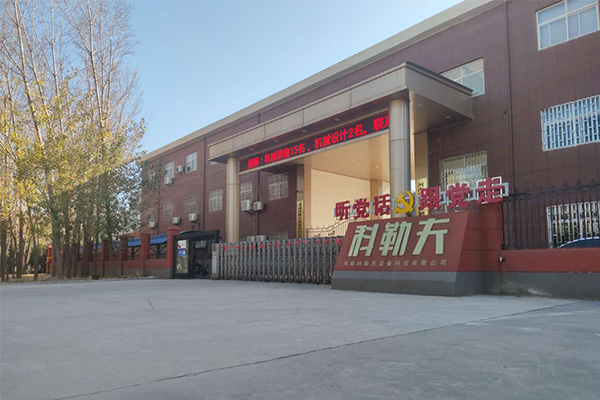
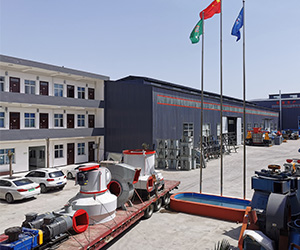
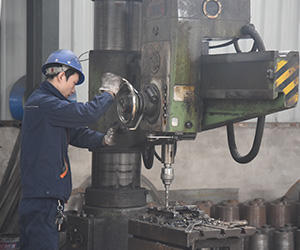
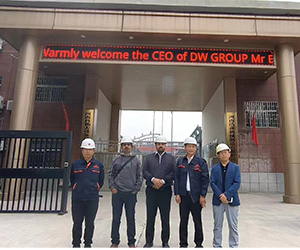
Kolev Equipment Technology Co., Ltd. is a large-scale private technology enterprise specializing in the research, development, production, and sales of mining and metal ore processing equipment. With over 20 years of experience in ultra-fine grinding, industrial drying, and crushing sand making industries, we provide intelligent solutions and mature supporting products worldwide.
Tell us your needs. We will match the best model for you and send a solution + reference quote within 24 hours.
We're here to help with all your inquiries. Send us a message and we'll get back to you promptly.
Fill out the form below and we'll contact you soon