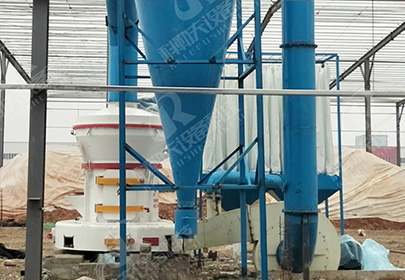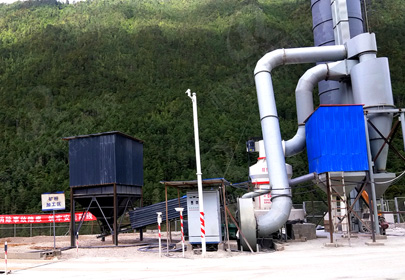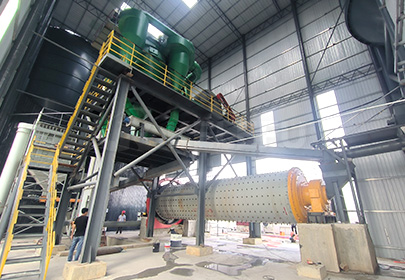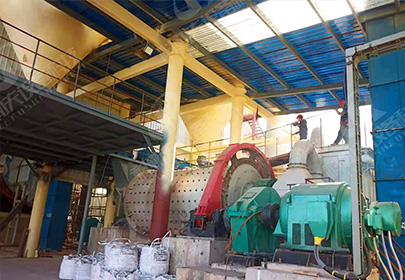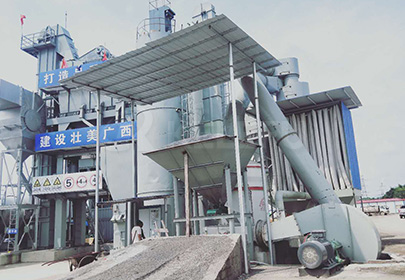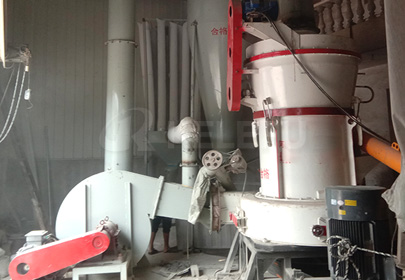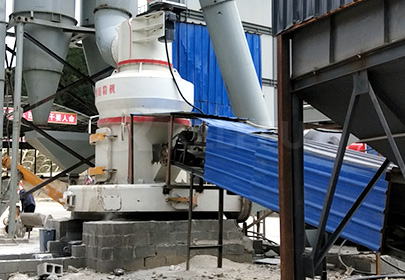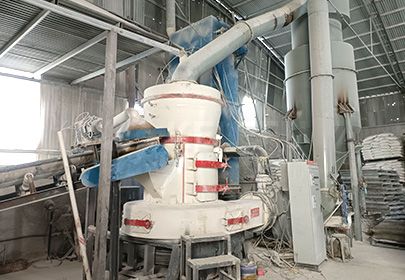
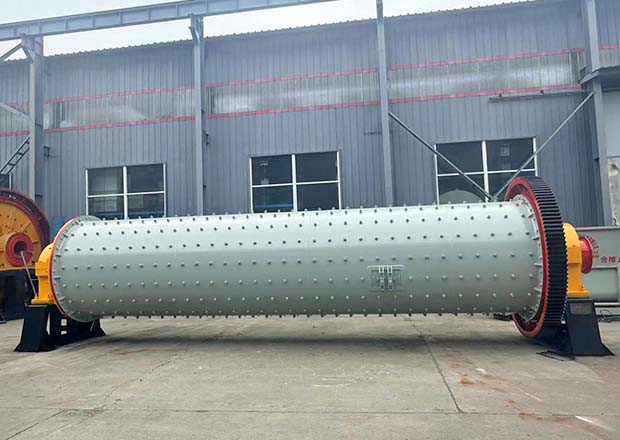
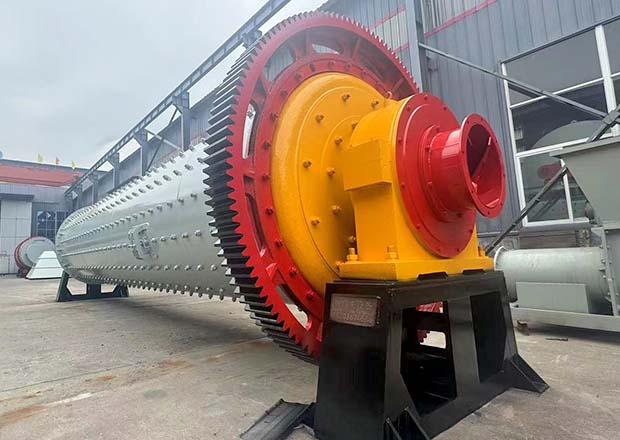
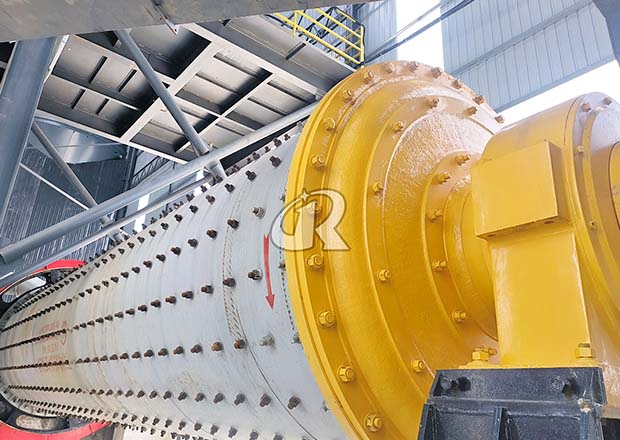
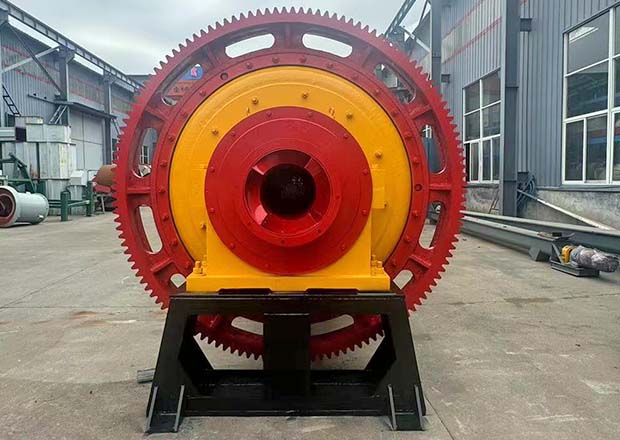
Steel slag ball mill (also called steel slag grinding mill) is a specialized grinding equipment designed to crush and grind steel slag – a by‑product of steelmaking – into fine powder. Steel slag contains valuable components such as CaO, SiO₂, Fe₂O₃, MgO, and P₂O₅.
Steel slag ball mill (also called steel slag grinding mill) is a specialized grinding equipment designed to crush and grind steel slag – a by‑product of steelmaking – into fine powder. Steel slag contains valuable components such as CaO, SiO₂, Fe₂O₃, MgO, and P₂O₅, and when ground to the right fineness, it can be used as:
Cement additive – improves wear resistance and late strength (steel slag cement)
Road base & subbase material – after grinding, it has good gelling properties
Soil conditioner / fertilizer – provides silicon, calcium, phosphorus for agriculture
Reclaimed aggregate – after crushing and magnetic separation
Our steel slag ball mill is a heavy‑duty, closed‑circuit system combining a ball mill, dynamic air classifier, and integrated magnetic separators to remove metallic iron. Because steel slag is extremely hard (Mohs 5–7) and abrasive, the mill features ultra‑high chromium alloy liners, forged grinding balls, and a pre‑grinding magnetic separation stage to protect the mill from excessive wear. As a professional ball mill manufacturer, we provide complete steel slag processing lines, including crushing, magnetic separation, grinding, classification, and product collection.
Applicable materials: basic oxygen furnace (BOF) slag, electric arc furnace (EAF) slag, ladle refining slag, stainless steel slag, and converter slag.
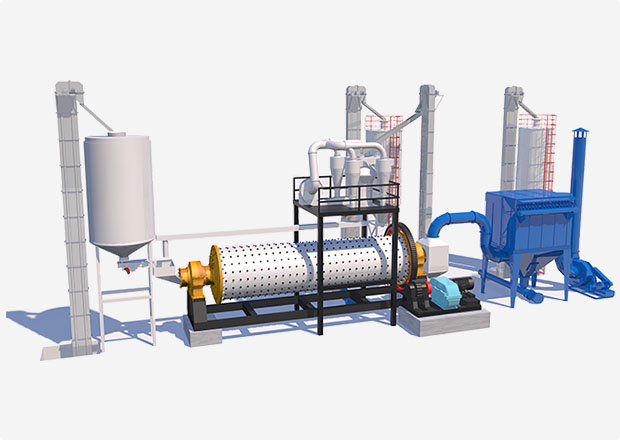
Step 1 – Pre‑crushing & Pre‑magnetic separation
Steel slag lumps are crushed to ≤25 mm, then passed over a magnetic drum to remove large iron chunks.
Step 2 – Feeding
Pre‑cleaned slag is fed via a weigh belt feeder into the mill. For drying‑grinding, hot gas (200–300°C) enters the mill.
Step 3 – Coarse Grinding (Chamber 1)
The first chamber contains large steel balls (Φ70–100 mm) with stepped liners. Balls impact‑crush the hard slag.
Step 4 – Intermediate Grinding (Chamber 2)
Material passes a slotted diaphragm into the second chamber with medium balls (Φ40–60 mm).
Step 5 – Fine Grinding (Chamber 3)
The third chamber uses small balls (Φ12–30 mm) and classifying liners. Forced airflow carries fine particles toward the discharge. An optional magnetic liner in this chamber captures fine iron particles.
Step 6 – Discharge & magnetic separation
Material exits the mill and passes over a magnetic separator (drum or cross‑belt) to remove metallic iron.
Step 7 – Classification & collection
The material is lifted to a dynamic air classifier. Fines (finished steel slag powder) are collected by a bag filter; coarse particles return to the mill. A final magnetic separator may be installed after the classifier.
Steel slag contains hard silicate minerals and residual metallic iron. Our mill is lined with ultra‑high chromium cast iron (HRC ≥64) – the hardest commercially available mill liner. The grinding media are forged alloy steel balls with hardness HRC 60–64 and breakage rate <0.3%. This combination extends liner life to 2–3 years in steel slag service (compared to 6–12 months for ordinary steel).
Metallic iron particles act as grinding media and can damage liners and diaphragms. We integrate: Magnetic drum before the mill feed Magnetic liner inside the first chamber (optional) Magnetic separator after the mill (before classifier) Final magnetic separation on finished product This removes >98% of metallic iron, extending liner life and improving product purity.
Steel slag’s high Work Index (25–35) demands energy efficiency. Our closed‑circuit ball mill with a high‑efficiency dynamic classifier (V‑separator or O‑sepa) reduces over‑grinding and cuts specific energy from >60 kW·h/t to 40–50 kW·h/t. Adding a roller press before the mill lowers energy to 30–40 kW·h/t.
Different uses require different fineness: Road base: 80–120 mesh (Blaine 250–300) Cement additive: 200–325 mesh (Blaine 380–450) High‑end slag cement: 400–500 m²/kg Our dynamic classifier can be adjusted in real time via PLC to produce any Blaine within 300–500 m²/kg, with fluctuation < ±10 m²/kg. & If steel slag has moisture >5% (from water quenching or storage), we supply a drying‑grinding ball mill with a hot gas inlet (using waste heat or a hot air generator). The hot gas dries the slag during grinding.
| Model | Dia.×Length (m) | Capacity (t/h) * | Fineness (Blaine m²/kg) | Motor Power (kW) |
|---|---|---|---|---|
| Φ2.2×7.5m | 2.2×7.5 | 3–6 | 350 | 380 |
| Φ2.4×11m | 2.4×11 | 6–10 | 400 | 630 |
| Φ2.6×13m | 2.6×13 | 10–16 | 420 | 1000 |
| Φ3.0×13m | 3.0×13 | 16–25 | 450 | 1600 |
| Φ3.2×13m | 3.2×13 | 25–40 | 450 | 2000 |
| Φ3.8×13m | 3.8×13 | 40–55 | 480 |
3150 |
*Capacity based on BOF slag, feed ≤20mm, target Blaine 400 m²/kg. Values vary with slag source and iron content.*
| System | Capacity (t/h) | Specific Energy (kW·h/t) | Blaine (m²/kg) |
|---|---|---|---|
| Ball mill only (closed) | 25 | 48 | 420 |
| Roller press + ball mill | 35 | 35 |
420 |
| Parameter | Value |
|---|---|
| Max. feed size | ≤15–25 mm |
| Output Blaine | 300 – 500 m²/kg (adjustable) |
| Feed moisture | ≤5% (higher requires drying‑grinding) |
| Grinding method | Dry (standard) / Drying‑grinding |
| Circuit type | Closed‑circuit (mandatory) |
| Number of chambers | 3 |
| Liner material | Ultra‑high chromium (HRC ≥64) / Magnetic liner (optional) |
| Grinding media | Forged alloy steel balls (HRC 60–64) |
| Magnetic separation stages | Pre‑mill + in‑mill (optional) + post‑mill + final product |
| Optional features | Roller press, drying system, ceramic liners (for iron‑free) |
When selecting a steel slag grinding mill, consider these eight factors:
Type of steel slag – BOF slag (most common), EAF slag, LF slag, or stainless steel slag? Composition and hardness vary.
Metallic iron content – Higher iron content requires more magnetic separation stages. Provide a sample for iron content analysis.
Target fineness & application – Road base: 80–120 mesh; cement additive: 200–325 mesh; steel slag cement: Blaine 420–500.
Feed moisture – Below 5%: standard dry mill. Above 5%: choose drying‑grinding mill with hot gas.
Capacity requirement – State required tons per hour. We will match the optimal ball mill capacity.
Energy cost & budget – If electricity is expensive, invest in a roller press + ball mill system. For lower budgets, a standalone closed‑circuit ball mill is still effective.
Volume stability requirement – For cement applications, ask about our aging pre‑treatment or additive dosing to manage free CaO/MgO.
After‑sales support – Installation, commissioning, training, and spare parts. Our team provides 24/7 support.
Steel slag grinding presents two unique challenges: high metallic iron content and poor grindability. This section explains how to overcome them.
| Issue | Consequence |
|---|---|
| Iron particles act as grinding media | Accelerates liner and diaphragm wear |
| Iron contaminates product | Reduces cement strength, causes surface defects in concrete |
| Iron clogs air classifier | Increases maintenance downtime |
| Sparks from iron impact | Fire/explosion risk in bag filter |
| Stage | Location | Purpose | Efficiency |
|---|---|---|---|
| 1 | Before mill (drum magnet) | Remove large iron chunks (>10mm) | 90–95% |
| 2 | Mill interior (magnetic liner – optional) | Capture fine iron particles in grinding zone | 70–80% |
| 3 | After mill (drum or belt magnet) | Remove iron released during grinding | 95%+ |
| 4 | Final product (cross‑belt magnet) | Polish product purity | 99%+ |
With all four stages, final iron content can be reduced to <0.5%.
| Problem | Solution |
|---|---|
| High Work Index (25–35) | Use closed‑circuit + dynamic classifier |
| Hard silicate phases | Add grinding aids (0.02–0.05% of feed) |
| Free CaO/MgO causing expansion | Age the slag for 3–6 months, or add silica/gypsum during grinding |
| Mill temperature too high | Water spray cooling + forced ventilation |
Pro tip: For steel slag with very high iron content (>8% metallic Fe), we strongly recommend a two‑stage grinding process: first through a rod mill or roller press to liberate iron, then magnetic separation, followed by the ball mill for final fine grinding. We can design this custom system for you.
ISO9001 & CE certified – Strict quality control from raw material to final assembly.
20+ years in grinding equipment – Specialized in steel slag ball mills for cement and road construction.
Extreme wear technology – Patented ultra‑high chromium liners (HRC ≥64) with 2–3 year service life in steel slag.
Multi‑stage magnetic separation – Integrated solution removes >98% of metallic iron, protecting the mill and improving product purity.
Energy‑efficient designs – Closed‑circuit + optional roller press cuts specific energy to 30–50 kW·h/t.
Volume stability expertise – We can recommend aging or additive solutions for free CaO/MgO issues.
Full process support – Lab test (Work Index, iron content, Blaine) → engineering → manufacturing → installation → commissioning → training.
Global service network – Engineers available for on‑site visit and 24/7 remote troubleshooting.
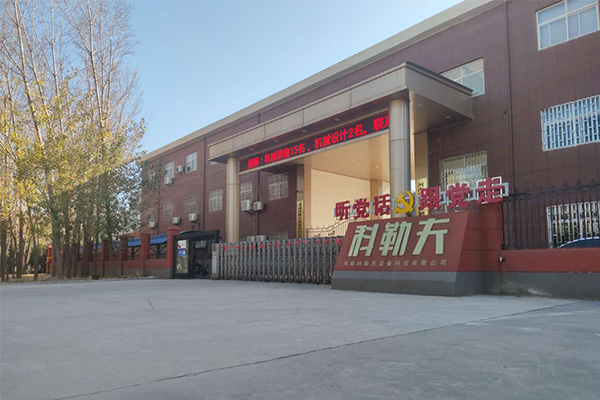
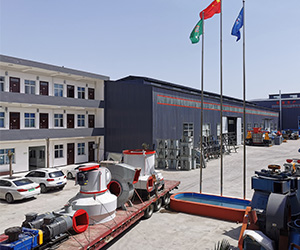
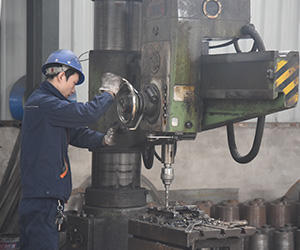
Kolev Equipment Technology Co., Ltd. is a large-scale private technology enterprise specializing in the research, development, production, and sales of mining and metal ore processing equipment. With over 20 years of experience in ultra-fine grinding, industrial drying, and crushing sand making industries, we provide intelligent solutions and mature supporting products worldwide.
Tell us your needs. We will match the best model for you and send a solution + reference quote within 24 hours.
We're here to help with all your inquiries. Send us a message and we'll get back to you promptly.
Fill out the form below and we'll contact you soon