
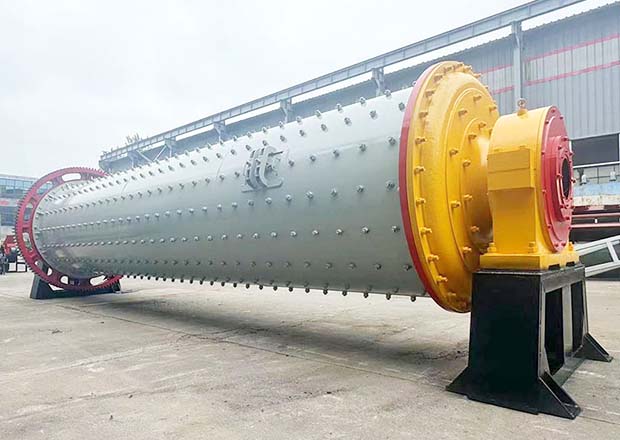
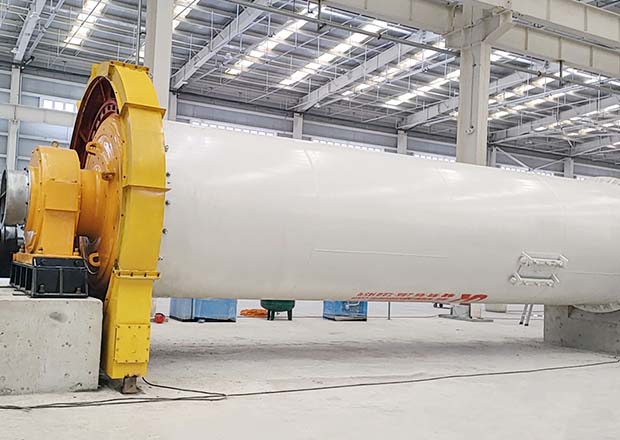
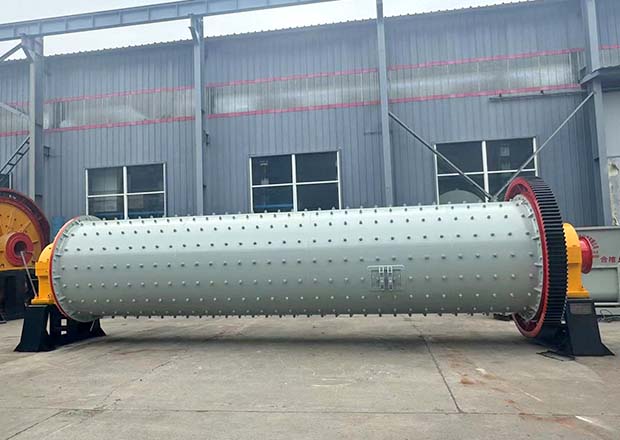
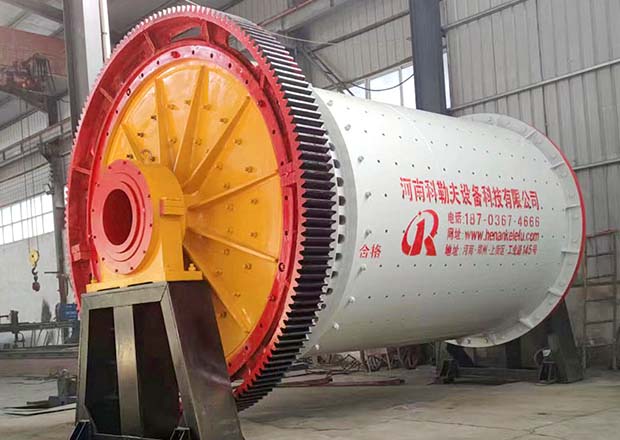
Barite ball mill (also called baryte ball mill or barite grinding mill) is a specialized grinding equipment used to produce finely ground barite powder for various industrial applications. Barite (BaSO₄) is a high‑density mineral with specific gravity typically 4.2–4.5. The most demanding application is oil and gas drilling mud, where barite powder must meet API specifications: specific gravity ≥4.2, 200‑325 mesh (d97 = 75–45 µm), water‑soluble alkaline earth metals <250 mg/kg, and low iron content.
Barite ball mill (also called baryte ball mill or barite grinding mill) is a specialized grinding equipment used to produce finely ground barite powder for various industrial applications. Barite (BaSO₄) is a high‑density mineral with specific gravity typically 4.2–4.5. The most demanding application is oil and gas drilling mud, where barite powder must meet API specifications: specific gravity ≥4.2, 200‑325 mesh (d97 = 75–45 µm), water‑soluble alkaline earth metals <250 mg/kg, and low iron content.
Our barite ball mill is a closed‑circuit system (ball mill + air classifier) designed to produce high‑purity, high‑density barite powder with precise particle size distribution. Because barite is relatively soft (Mohs 3–3.5) but heavy, the mill is optimized for gentle grinding to avoid over‑grinding and to preserve specific gravity. As a professional ball mill manufacturer, we provide complete barite grinding plants including crushing, grinding, classification, and optional magnetic separation to remove discoloring impurities.
Applicable materials: barite (baryte, BaSO₄), witherite, and other barium minerals.
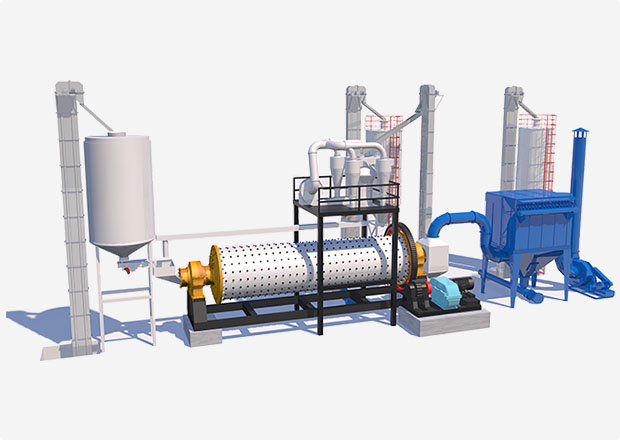
Step 1 – Crushing & Feeding
Barite ore is crushed to ≤10–20 mm and fed via a weigh belt feeder into the mill.
Step 2 – Coarse Grinding (Chamber 1)
The first chamber contains medium balls (Φ40–60 mm) with lifting liners. The balls crush the barite.
Step 3 – Fine Grinding (Chamber 2)
The second chamber contains small steel or ceramic balls (Φ12–30 mm) and classifying liners for gentle fine grinding.
Step 4 – Air Classification
Material exits the mill and is lifted to a dynamic air classifier. The classifier rotor speed determines the cut point. Fine particles (
Step 5 – Collection & Magnetic Separation (Optional)
Fine barite powder is collected by a bag filter (with explosion vents). An optional magnetic separator installed after the classifier removes iron particles, improving whiteness and purity.
Step 6 – Packing
The powder is conveyed to a packing machine (bagging or bulk).
Over‑grinding of barite breaks down dense particles and can lower bulk density. Our barite ball mill uses: Short cylinder (L/D ratio 2–2.5) – minimal retention time Low‑lifting liners – gentle rolling action, not high impact Closed‑circuit with dynamic classifier – removes finished product instantly The result: specific gravity of the final powder is maintained at 4.2–4.3, meeting API standards.
For barite used in white paint, rubber, or radiation shielding, iron content must be minimized. We offer: Ceramic liners + alumina balls – non‑metallic grinding, Fe₂O₃ <0.05% Magnetic separator (permanent drum or cross‑belt) after the mill Stainless steel classifier (optional)
API specifications for drilling mud barite require: 200‑325 mesh (75–45 µm) with <30% less than 200 mesh and <15% greater than 325 mesh Our dynamic air classifier with PLC control maintains d97 within ±5 µm. The system can also produce finer powders (800 mesh) for non‑drilling applications.
Barite powder is heavy and abrasive. We design the system with: Heavy‑duty high chromium liners (HRC ≥58) in the coarse chamber Bag filter with high‑density filter bags (≤20 mg/Nm³) Explosion vents for dry grinding (barite dust is not explosive, but we follow safety standards)
| Model | Dia.×Length (m) | Capacity (t/h) * | Fineness (Mesh) | Motor Power (kW) |
|---|---|---|---|---|
| Φ1.5×3.5m | 1.5×3.5 | 1–2 | 200–325 | 55 |
| Φ1.83×4.5m | 1.83×4.5 | 2–4 | 200–325 | 110 |
| Φ2.2×5.5m | 2.2×5.5 | 4–6 | 200–325 | 185 |
| Φ2.4×6.5m | 2.4×6.5 | 6–10 | 200–325 | 280 |
| Φ2.6×8m | 2.6×8 | 10–14 | 200–325 | 400 |
| Φ3.0×9m | 3.0×9 | 14–20 | 200–325 | 630 |
| Φ3.2×10m | 3.2×10 | 20–30 | 200–325 | 1000 |
*Capacity for barite with specific gravity 4.2, feed ≤15mm, target 325 mesh (d97=45µm). Values vary with barite hardness and purity.*
| Model | Fineness (Mesh) | Capacity (t/h) | Power (kW) |
|---|---|---|---|
| Φ2.6×8m | 400 | 6–10 | 400 |
| Φ3.0×9m | 600 | 8–12 | 630 |
| Φ3.2×10m | 800 | 10–16 | 1000 |
| Parameter | Value |
|---|---|
| Max. feed size | ≤10–20 mm |
| Output fineness (d97) | 75 – 20 µm (200 – 800 Mesh) |
| Specific gravity (product) | 4.1 – 4.3 (depends on ore) |
| Whiteness (for non‑drilling) | 80 – 92% (with magnetic separation) |
| Iron content (Fe₂O₃) | Steel mill: <0.2% / Ceramic: <0.05% |
| Grinding method | Dry |
| Circuit type | Closed‑circuit (mandatory) |
| Number of chambers | 2 |
| Liner material | High chromium steel / Alumina ceramic |
| Grinding media | Forged steel / High chromium / Alumina balls |
| Optional features | Dynamic classifier, magnetic separator, bag filter, explosion vents |
When selecting a barite grinding mill, consider these seven factors:
Barite ore characteristics – Specific gravity, whiteness, Fe₂O₃ content, and hardness. Provide a sample for lab testing.
Target application –
Drilling mud (API): needs 200–325 mesh, specific gravity ≥4.2, low soluble salts
Paint/rubber: requires high whiteness (>85%) and low Fe₂O₃
Radiation shielding: high density and particle uniformity
Target fineness (d97) – API: 45–75 µm. Premium products: 20–30 µm (400–600 mesh).
Purity / iron limit – For high‑whiteness applications, choose ceramic lining + alumina balls and magnetic separation.
Capacity requirement – State required tons per hour. We will match optimal barite ball mill capacity.
Need for magnetic separation – If raw barite contains iron oxides, a magnetic separator is recommended to improve whiteness.
After‑sales support – Installation, commissioning, training, and spare parts. Our team provides 24/7 support.
Barite grinding is unique because product specific gravity is as important as particle size. Here is what you must know.
| Application | Min. Specific Gravity | Why |
|---|---|---|
| API drilling mud | 4.20 | Lower density mud cannot control well pressure |
| Paint / filler | 4.0 (prefer >4.2) | Higher density improves coverage and weight |
| Radiation shielding | >4.3 | Density directly correlates with shielding efficiency |
Over‑grinding (producing too many fine particles) increases surface area but can reduce bulk density. Our short‑cylinder mill + closed circuit prevents this.
| Parameter | API Specification | Our System Capability |
|---|---|---|
| Particle size | ≤30% <200 mesh, ≤15% >325 mesh | Typical: 25% <200, 10% >325 |
| d97 | 45–75 µm | Adjustable from 20–75 µm |
| Control tolerance | ±10% | ±5% with PLC |
| Raw Barite Color | Fe₂O₃ (%) | Recommended Process |
|---|---|---|
| White / light gray | <0.1% | Standard steel mill OK (with good ore) |
| Gray / beige | 0.1–0.5% | High chromium liners + magnetic separator |
| Reddish / brown | >0.5% | Ceramic liners + alumina balls + magnetic separator (pre‑grinding color sorting recommended) |
Pro tip: For barite used in high‑end paint or rubber, never use standard steel grinding without magnetic separation – the gray/brown tint will ruin product value. Our ceramic‑lined barite ball mill combined with a magnetic separator delivers whiteness >88%.
ISO9001 & CE certified – Strict quality control from raw material to final assembly.
20+ years in grinding equipment – Specialized in barite ball mills for API drilling mud, paint, rubber, and radiation shielding.
API‑grade expertise – We understand specific gravity, particle size, and purity requirements for oilfield applications.
Iron‑free options – Ceramic lining, alumina balls, magnetic separators for high‑whiteness barite.
Precision classification – Dynamic air classifier with PLC control for d97 = 20–75 µm.
Full process support – Lab test (sp. gravity, whiteness, Fe₂O₃, d97) → engineering → manufacturing → installation → commissioning → training.
Global service network – Engineers available for on‑site visit and 24/7 remote troubleshooting.
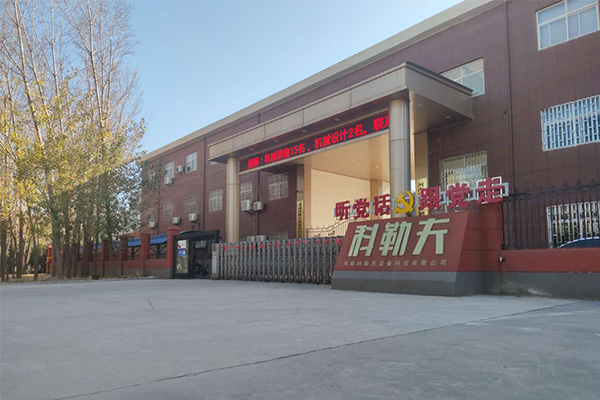
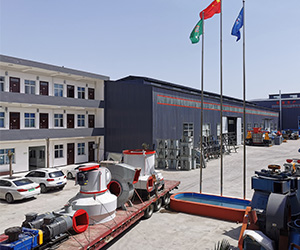
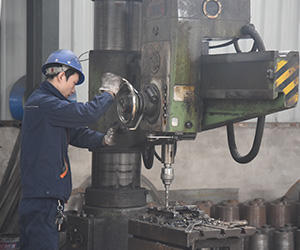
Kolev Equipment Technology Co., Ltd. is a large-scale private technology enterprise specializing in the research, development, production, and sales of mining and metal ore processing equipment. With over 20 years of experience in ultra-fine grinding, industrial drying, and crushing sand making industries, we provide intelligent solutions and mature supporting products worldwide.
Tell us your needs. We will match the best model for you and send a solution + reference quote within 24 hours.
We're here to help with all your inquiries. Send us a message and we'll get back to you promptly.
Fill out the form below and we'll contact you soon