Optimize your cement grinding process with proven cement clinker ball mill technology – lower energy cost, higher output, consistent cement quality.
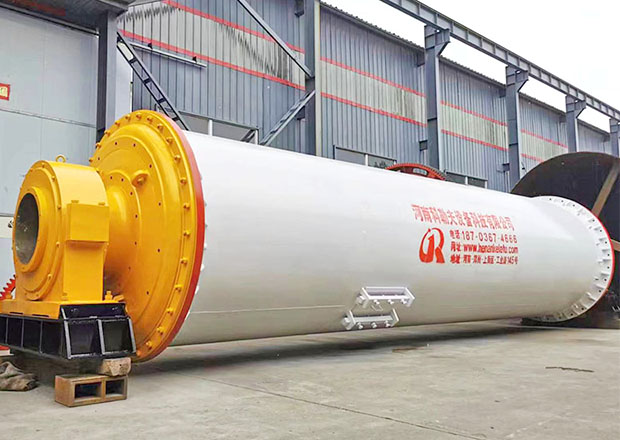
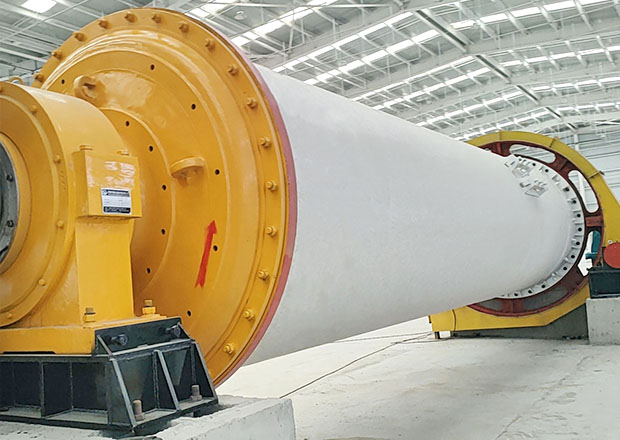
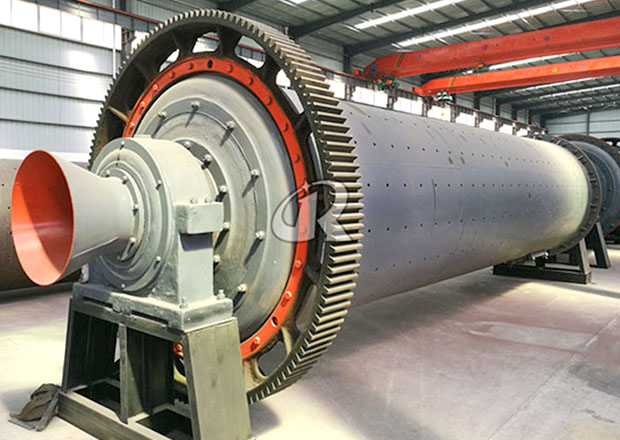
cement clinker ball mill is the core cement grinding equipment in cement production lines and cement grinding stations. It is specifically designed to grind cement clinker, gypsum, slag, fly ash, limestone, and other additives into fine cement powder with a uniform particle size distribution.
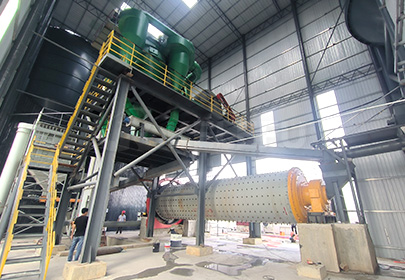
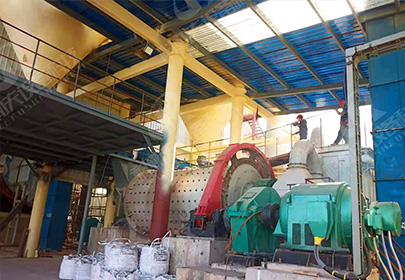
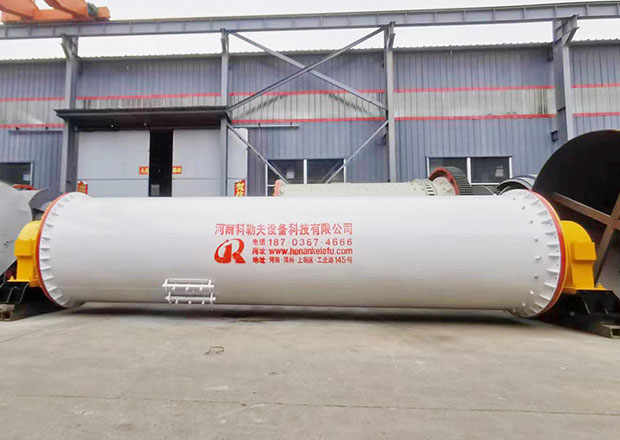
Our cement ball mill features a horizontal tubular structure with two or three grinding chambers, lined with wear‑resistant plates. It can operate in open circuit or closed circuit with a high‑efficiency dynamic separator, delivering precise control over product fineness while minimizing energy consumption per ton of cement. As a trusted cement ball mill manufacturer, we provide solutions for both greenfield projects and existing plant upgrades.
Applicable materials: cement clinker, limestone, gypsum, slag, fly ash, ore, refractory materials, and various industrial minerals.
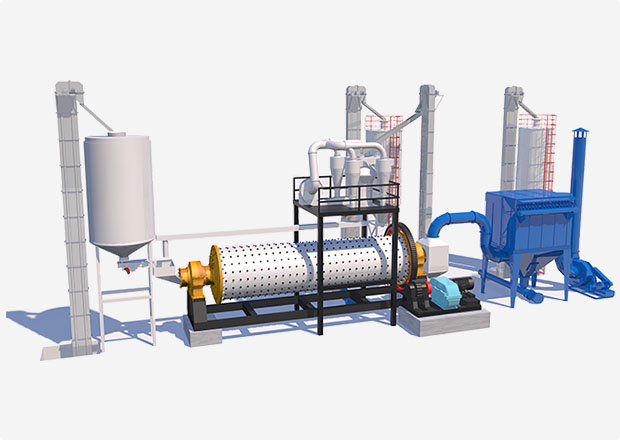
Step 1 – Feeding – Material (clinker, gypsum, additives) is uniformly fed into the first grinding chamber via a weigh feeder or screw conveyor.
Step 2 – Coarse grinding (Chamber 1) – The first chamber contains larger steel balls. As the cylinder rotates, centrifugal force lifts the balls then falls, impact‑crushing the material.
Step 3 – Material flow – After coarse grinding, material passes through a partition diaphragm into the second chamber. The diaphragm retains grinding media while allowing material to pass.
Step 4 – Fine grinding (Chamber 2) – The second chamber contains smaller steel balls for fine grinding. Classifying liners segregate balls by size.
Step 5 – Discharge & classification – Ground material exits through the discharge diaphragm and is lifted by a bucket elevator to a high‑efficiency dynamic separator. Fines (finished cement) are collected; coarse particles return to the mill for regrinding (closed‑circuit operation).
High-efficiency cement grinding is achieved through optimized chamber design with stepped/corrugated liners in coarse grinding zone and classifying liners in fine grinding zone. Output increased by 15–20% compared to conventional designs.
Our energy-saving cement ball mill prevents over‑grinding, reducing specific energy consumption by up to 5.1 kW·h per ton of cement. Advanced lubrication system automatically adjusts oil volume.
Main cylinder from high‑quality steel plate. Wearing parts (liners, grinding media) available in high manganese steel, high chromium cast iron or alloy steel. Main bearings run >10 years without replacement under normal conditions.
Modern PLC‑based control automates feeding, temperature monitoring, power management, and fineness adjustment in real time. Supports dry grinding, wet grinding, and simultaneous grinding‑drying. Suitable for cement plants, grinding stations, metallurgy, chemical industry, and power plants.
| Model | Dia.×Length (m) | Ball Mill Capacity (t/h) | Motor Power (kW) | Shell Speed (r/min) |
|---|---|---|---|---|
| Φ2.2×7m | 2.2×7 | 10–15 | 245 | 24.5 |
| Φ2.4×13m | 2.4×13 | 25–35 | 630 | 22.4 |
| Φ3.2×13m | 3.2×13 | 60–80 | 1250 | 18.7 |
| Φ3.5×13m | 3.5×13 | 80–100 | 1600 | 17.5 |
| Φ4.2×13m | 4.2×13 | 120–150 | 2500 | 15.6 |
| Parameter | Value |
|---|---|
| Max. feed size | ≤25 mm |
| Discharge fineness | 80 – 325 Mesh (0.075 – 0.4 mm) |
| Blaine specific surface | 300 – 450 m²/kg |
| Grinding method | Dry / Wet |
| Circuit type | Open‑circuit / Closed‑circuit (with dynamic separator) |
| Number of chambers | 2 or 3 |
| Liner material | High manganese steel / High chromium cast iron / High chromium alloy steel |
Consider the following six factors to select the most suitable ball mill for cement plant:
Required throughput – From 10 TPH to 200 TPH. For >100 TPH, a closed‑circuit ball mill is strongly recommended. Ask for ball mill capacity that matches your production plan.
Material characteristics – Clinker hardness, moisture, feed size. Best performance when feed ≤25 mm.
Fineness target – Our mills achieve 80–325 Mesh (adjustable via separator speed). Higher Blaine values improve cement strength but increase energy use.
Energy efficiency – Compare specific energy consumption (kW·h/t). Closed‑circuit saves 5–25% power over open‑circuit.
Installation space – Different models have different footprints. We offer customized layouts.
After‑sales support – Installation, commissioning, training, and spare parts availability are critical for uptime.
| Feature | Open‑circuit | Closed‑circuit Ball Mill |
|---|---|---|
| Material passes | Once through mill | Multiple passes with recirculation |
| Fineness control | Limited – over‑grinding common | Precise – via adjustable separator |
| Energy efficiency | Lower – up to 30% wasted | Higher – saves 15–25% power |
| Heat generation | High | Moderate |
| Best for | Small scale, simple operations | Large‑scale cement production |
For cement clinker grinding, a closed‑circuit ball mill system is strongly recommended when product consistency and energy efficiency are top priorities. This is why most cement grinding equipment upgrades target closed‑circuit operation.
ISO9001 & CE certified – International quality management standards.
20+ years of experience – Serving cement plants in >50 countries.
Global installations – Southeast Asia, Middle East, Africa, South America.
In‑house engineering team – Custom designs for your specific site.
On‑site commissioning – Our technicians travel to your plant.
24/7 technical support – Spare parts ready for immediate shipment.
Request a Quote → Tell us your target ball mill capacity, material type, and required fineness. We will respond within 24 hours with a detailed cement ball mill price list and equipment list.
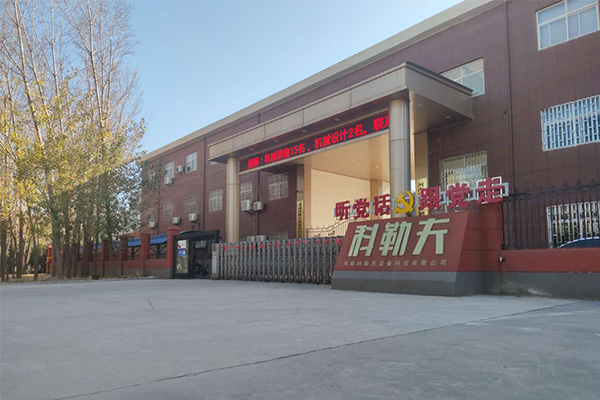
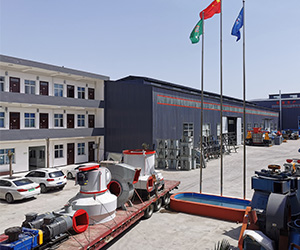
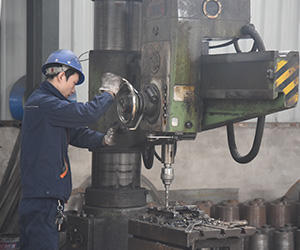
Kolev Equipment Technology Co., Ltd. is a large-scale private technology enterprise specializing in the research, development, production, and sales of mining and metal ore processing equipment. With over 20 years of experience in ultra-fine grinding, industrial drying, and crushing sand making industries, we provide intelligent solutions and mature supporting products worldwide.
Tell us your needs. We will match the best model for you and send a solution + reference quote within 24 hours.
We're here to help with all your inquiries. Send us a message and we'll get back to you promptly.
Fill out the form below and we'll contact you soon